Your Compiler design architecture analysis phase images are ready in this website. Compiler design architecture analysis phase are a topic that is being searched for and liked by netizens now. You can Find and Download the Compiler design architecture analysis phase files here. Find and Download all royalty-free photos.
If you’re searching for compiler design architecture analysis phase pictures information connected with to the compiler design architecture analysis phase keyword, you have pay a visit to the ideal site. Our site always provides you with hints for seeking the maximum quality video and image content, please kindly search and find more informative video articles and images that match your interests.
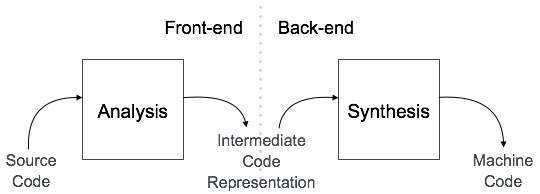
Compiler Design Architecture Analysis Phase. Analysis Phase Known as the front-end of the compiler the analysis phase of the compiler reads the source program divides it into core parts and then checks for lexical grammar and syntax errorsThe analysis phase generates an intermediate representation of the source program and symbol table which should be fed to the Synthesis phase as input. The compiler is designed into two partsThe first phase is the analysis phase while the second phase is called synthesis. Analysis phase creates an intermediate representation from the given source code. You should note that a pass can have more than one phase.
 Architecture In Technical Perspective View Geeksforgeeks From geeksforgeeks.org
Synthesis phase creates an equivalent subject. The process of a compiler traversing through the entire program is known as a pass. Analysis Phase Known as the front-end of the compiler the analysis phase of the compiler reads the source program divides it into core parts and then checks for lexical grammar and syntax errorsThe analysis phase generates an intermediate representation of the source program and symbol table which should be fed to the Synthesis phase as input. It then arranges these pieces into a meaningful structure or grammar of the language. The compiler is designed into two partsThe first phase is the analysis phase while the second phase is called synthesis. The main objective of the analysis phase is to break the source code into parts.
The architecture of the compiler design can b explained by dividing the compiler into two phases on the basis of their compiling pattern.
Prerequisite Introduction of Compiler design We basically have two phases of compilers namely Analysis phase and Synthesis phase. Analysis Phase The source program is read by the compiler and then it is divided into core parts and checked for errors related to. Synthesis phase creates an equivalent subject. The process of a compiler traversing through the entire program is known as a pass. Analysis Phase Known as the front-end of the compiler the analysis phase of the compiler reads the source program divides it into core parts and then checks for lexical grammar and syntax errorsThe analysis phase generates an intermediate representation of the source program and symbol table which should be fed to the Synthesis phase as input. Analysis phase creates an intermediate representation from the given source code.
 Source: researchgate.net
Lexical Analysis Lexical Analysis is the first phase when compiler scans the source code. The first stage produces input for the next stage which processes it to produce output to be used as input in the subsequent stage. Here the character stream from the source program is grouped in meaningful sequences by identifying the tokens. Lexical Analysis Lexical Analysis is the first phase when compiler scans the source code. It is a subject which has been studied intensively since the early 1950s and continues to be an important research field today.
 Source: researchgate.net
Compiler design is a subject which many believe to be fundamental and vital to computer science. The process of a compiler traversing through the entire program is known as a pass. Prerequisite Introduction of Compiler design We basically have two phases of compilers namely Analysis phase and Synthesis phase. The compiler is designed into two partsThe first phase is the analysis phase while the second phase is called synthesis. Here the character stream from the source program is grouped in meaningful sequences by identifying the tokens.
 Source: researchgate.net
Analysis Phase The source program is read by the compiler and then it is divided into core parts and checked for errors related to. Compiler Design Overview Architecture Phases of Compiler Lexical Analysis Regular Expressions Finite Automata Syntax Analysis Types of Parsing Top-Down Parser Bottom-Up Parser Error Recovery Semantic Analysis. This process can be left to right character by character and group these characters into tokens. Analysis Phase The source program is read by the compiler and then it is divided into core parts and checked for errors related to. Prerequisite Introduction of Compiler design.
 Source: pinterest.com
Synthesis phase creates an equivalent target program from the intermediate representation. Prerequisite Introduction of Compiler design. The compiler is designed into two partsThe first phase is the analysis phase while the second phase is called synthesis. Prerequisite Introduction of Compiler design We basically have two phases of compilers namely Analysis phase and Synthesis phase. Analysis Phase The compilers evaluation stage defined as the compilers front end reads the source code splits it into core parts and then searches for lexical grammar and syntax errors.
 Source: programmersought.com
Prerequisite Introduction of Compiler design We basically have two phases of compilers namely Analysis phase and Synthesis phase. We basically have two phases of compilers namely Analysis phase and Synthesis phase. This process can be left to right character by character and group these characters into tokens. The main objective of the analysis phase is to break the source code into parts. Analysis phase creates an intermediate representation from the given source code.
 Source: programmersought.com
The evaluation phase produces an intermediate image of the original code and symbol table which should be fed as feedback to the synthesis step. Analysis Phase Known as the front-end of the compiler the analysis phase of the compiler reads the source program divides it into core parts and then checks for lexical grammar and syntax errorsThe analysis phase generates an intermediate representation of the source program and symbol table which should be fed to the Synthesis phase as input. Analysis Phase The compilers evaluation stage defined as the compilers front end reads the source code splits it into core parts and then searches for lexical grammar and syntax errors. The main objective of the analysis phase is to break the source code into parts. Lexical Analysis Lexical Analysis is the first phase when compiler scans the source code.
 Source: geeksforgeeks.org
GOOD NEWS FOR COMPUTER ENGINEERSINTRODUCING 5 MINUTES ENGINEERING SUBJECT -Discrete Mathematics DM Theory Of Computation. Analysis Phase The source program is read by the compiler and then it is divided into core parts and checked for errors related to. The architecture of the compiler design can b explained by dividing the compiler into two phases on the basis of their compiling pattern. Known as the front-end of the compiler the analysis phase of the compiler reads the source program divides it into core parts and then checks for lexical grammar and syntax errorsThe analysis phase generates an intermediate representation of the source program and symbol table which should be fed to the Synthesis phase as input. Here the character stream from the source program is grouped in meaningful sequences by identifying the tokens.
 Source: tutorialspoint.com
Analysis Phase The source program is read by the compiler and then it is divided into core parts and checked for errors related to. You should note that a pass can have more than one phase. It is a subject which has been studied intensively since the early 1950s and continues to be an important research field today. Synthesis phase creates an equivalent target program from the intermediate representation. The compiler is designed into two partsThe first phase is the analysis phase while the second phase is called synthesis.
 Source: researchgate.net
The process of a compiler traversing through the entire program is known as a pass. You should note that a pass can have more than one phase. The first stage produces input for the next stage which processes it to produce output to be used as input in the subsequent stage. Compiler design is a subject which many believe to be fundamental and vital to computer science. Synthesis phase creates an equivalent target program from the intermediate representation.
Source: geeksforgeeks.org
This process can be left to right character by character and group these characters into tokens. The compiler is designed into two partsThe first phase is the analysis phase while the second phase is called synthesis. Analysis Phase Known as the front-end of the compiler the analysis phase of the compiler reads the source program divides it into core parts and then checks for lexical grammar and syntax errorsThe analysis phase generates an intermediate representation of the source program and symbol table which should be fed to the Synthesis phase as input. The process of a compiler traversing through the entire program is known as a pass. You should note that a pass can have more than one phase.
 Source: researchgate.net
This process can be left to right character by character and group these characters into tokens. Prerequisite Introduction of Compiler design. We basically have two phases of compilers namely Analysis phase and Synthesis phase. It then arranges these pieces into a meaningful structure or grammar of the language. The main objective of the analysis phase is to break the source code into parts.
 Source: researchgate.net
It is a subject which has been studied intensively since the early 1950s and continues to be an important research field today. Synthesis phase creates an equivalent subject. Analysis Phase Known as the front-end of the compiler the analysis phase of the compiler reads the source program divides it into core parts and then checks for lexical grammar and syntax errorsThe analysis phase generates an intermediate representation of the source program and symbol table which should be fed to the Synthesis phase as input. Compiler design is a subject which many believe to be fundamental and vital to computer science. The first stage produces input for the next stage which processes it to produce output to be used as input in the subsequent stage.
 Source: data-flair.training
You should note that a pass can have more than one phase. The first stage produces input for the next stage which processes it to produce output to be used as input in the subsequent stage. Analysis Phase The source program is read by the compiler and then it is divided into core parts and checked for errors related to. Analysis Phase The compilers evaluation stage defined as the compilers front end reads the source code splits it into core parts and then searches for lexical grammar and syntax errors. Compiler Design Overview Architecture Phases of Compiler Lexical Analysis Regular Expressions Finite Automata Syntax Analysis Types of Parsing Top-Down Parser Bottom-Up Parser Error Recovery Semantic Analysis.
 Source: ar.pinterest.com
On the other hand a compilers phase is a distinguishable stage. We basically have two phases of compilers namely Analysis phase and Synthesis phase. Analysis Phase Known as the front-end of the compiler the analysis phase of the compiler reads the source program divides it into core parts and then checks for lexical grammar and syntax errorsThe analysis phase generates an intermediate representation of the source program and symbol table which should be fed to the Synthesis phase as input. Here the character stream from the source program is grouped in meaningful sequences by identifying the tokens. The main objective of the analysis phase is to break the source code into parts.
 Source: ratio-case.gitlab.io
Analysis phase creates an intermediate representation from the given source code. Synthesis phase creates an equivalent target program from the intermediate representation. Analysis phase creates an intermediate representation from the given source code. Compiler design is a subject which many believe to be fundamental and vital to computer science. The first stage produces input for the next stage which processes it to produce output to be used as input in the subsequent stage.
 Source: pinterest.com
Known as the front-end of the compiler the analysis phase of the compiler reads the source program divides it into core parts and then checks for lexical grammar and syntax errorsThe analysis phase generates an intermediate representation of the source program and symbol table which should be fed to the Synthesis phase as input. It is a subject which has been studied intensively since the early 1950s and continues to be an important research field today. The architecture of the compiler design can b explained by dividing the compiler into two phases on the basis of their compiling pattern. The first stage produces input for the next stage which processes it to produce output to be used as input in the subsequent stage. This process can be left to right character by character and group these characters into tokens.
 Source: pinterest.com
Synthesis phase creates an equivalent target program from the intermediate representation. The compiler is designed into two partsThe first phase is the analysis phase while the second phase is called synthesis. Analysis Phase The source program is read by the compiler and then it is divided into core parts and checked for errors related to. Compiler design is a subject which many believe to be fundamental and vital to computer science. We basically have two phases of compilers namely Analysis phase and Synthesis phase.
 Source: pinterest.com
Prerequisite Introduction of Compiler design We basically have two phases of compilers namely Analysis phase and Synthesis phase. Compiler Design Overview Architecture Phases of Compiler Lexical Analysis Regular Expressions Finite Automata Syntax Analysis Types of Parsing Top-Down Parser Bottom-Up Parser Error Recovery Semantic Analysis. Compiler design is a subject which many believe to be fundamental and vital to computer science. It is a subject which has been studied intensively since the early 1950s and continues to be an important research field today. It then arranges these pieces into a meaningful structure or grammar of the language.
This site is an open community for users to submit their favorite wallpapers on the internet, all images or pictures in this website are for personal wallpaper use only, it is stricly prohibited to use this wallpaper for commercial purposes, if you are the author and find this image is shared without your permission, please kindly raise a DMCA report to Us.
If you find this site serviceableness, please support us by sharing this posts to your favorite social media accounts like Facebook, Instagram and so on or you can also bookmark this blog page with the title compiler design architecture analysis phase by using Ctrl + D for devices a laptop with a Windows operating system or Command + D for laptops with an Apple operating system. If you use a smartphone, you can also use the drawer menu of the browser you are using. Whether it’s a Windows, Mac, iOS or Android operating system, you will still be able to bookmark this website.


