Your Gothic vs renaissance architecture images are available in this site. Gothic vs renaissance architecture are a topic that is being searched for and liked by netizens now. You can Download the Gothic vs renaissance architecture files here. Find and Download all free images.
If you’re looking for gothic vs renaissance architecture images information linked to the gothic vs renaissance architecture interest, you have come to the ideal site. Our website always gives you suggestions for viewing the highest quality video and picture content, please kindly search and find more enlightening video articles and graphics that match your interests.
Gothic Vs Renaissance Architecture. Before the dawn of the Renaissance often pronounced REN-ah-zahns Europe was dominated by asymmetrical and ornate Gothic architecture. It followed the gothic period and was a conscious effort of revival of Greek and roman culture. There is truly no doubt that the Gothic and Renaissance eras were both incredibly significant periods of time in the history of art. In addition the Gothic style is the form of design of many of the greatest churches and cathedrals in Europe.
 The Project Gutenberg Ebook Of Architecture Gothic And Renaissance By T Roger Smith In 2021 Renaissance Architecture Architecture Gothic Architecture From pinterest.com
Features of Renaissance Buildings. Gothic architecture started in 12th-century France and lasted for 4 centuries into the 16th. In addition the Gothic style is the form of design of many of the greatest churches and cathedrals in Europe. Gothic Revival The Gothic Revival 19th century was born out of rebellion against the Industrial Revolution. Renaissance architecture featured more Romanesque forms building a home around a courtyard for example often based around circles instead of the vertical upward movement of Gothic architecture. Gothic architecture and Renaissance architecture are both the comprehensive expression of culture in their own times.
Background Renaissance architecture is European architecture between the early 15th and early 17th centuries.
And while Gothic architecture was strictly for church construction Renaissance architecture covered all forms public and private. There is truly no doubt that the Gothic and Renaissance eras were both incredibly significant periods of time in the history of art. Gothic architecture started in 12th-century France and lasted for 4 centuries into the 16th. Romanesque Gothic Renaissance Architecture. Published with reusable license by Kahdija Slaughter. Renaissance architecture featured more Romanesque forms building a home around a courtyard for example often based around circles instead of the vertical upward movement of Gothic architecture.
 Source: pinterest.com
Romanesque Gothic Renaissance Architecture. And while Gothic architecture was strictly for church construction Renaissance architecture covered all forms public and private. Renaissance Architecture the rebirth of classical Greece and Rome. If playback doesnt begin shortly try restarting your device. And they are more artistic than gothic.
 Source: pinterest.com
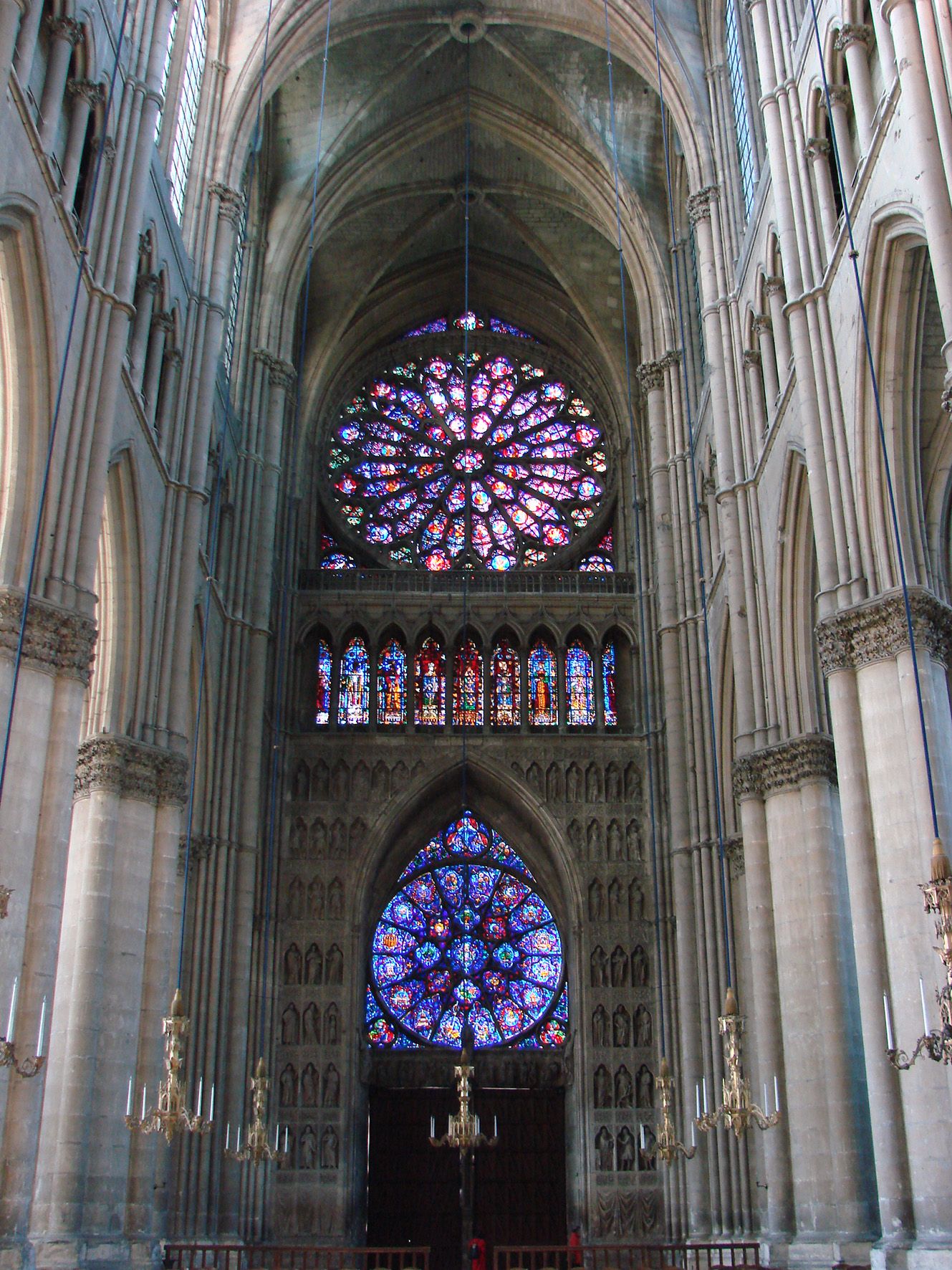
The term is normally used to refer to buildings which have pointed arches ribbed roofs large windows and ornate facades. And while Gothic architecture was strictly for church construction Renaissance architecture covered all forms public and private. What I like is the artist at that time are so-called polymaths that can practice different kinds of profession. Because it was integral to the leading art thought and innovation of the day it. Romanesque Gothic Renaissance Architecture.
 Source: pinterest.com
Many castles universities and palaces are also in Gothic style. Romanesque Gothic Renaissance Architecture. And while Gothic architecture was strictly for church construction Renaissance architecture covered all forms public and private. Stylistically Renaissance architecture followed Gothic architecture and was succeeded by Baroque architecture. The term Renaissance was first used by Jacob Burckhardt for his book The Civilization of the Renaissance in Italy.
 Source: pinterest.com
Stylistically Renaissance architecture followed Gothic architecture and was succeeded by Baroque architecture. Renaissance architecture featured more Romanesque forms building a home around a courtyard for example often based around circles instead of the vertical upward movement of Gothic architecture. Renaissance Architecture the rebirth of classical Greece and Rome. After that renaissance architecture took the place of Gothic architecture from 15 century until 17 century from Florence Italy. Gothic architecture or pointed architecture is an architectural style that was particularly popular in Europe from the late 12th century to the 16th century during the High and Late Middle Ages surviving into the 17th and 18th centuries in some areas.
 Source: pinterest.com
If playback doesnt begin shortly try restarting your device. The term is normally used to refer to buildings which have pointed arches ribbed roofs large windows and ornate facades. What I like is the artist at that time are so-called polymaths that can practice different kinds of profession. Background Renaissance architecture is European architecture between the early 15th and early 17th centuries. After that renaissance architecture took the place of Gothic architecture from 15 century until 17 century from Florence Italy.
Source: pinterest.com
Renaissance architecture concentrates on clean symmetrical design and proportion. Stylistically Renaissance architecture followed Gothic architecture and was succeeded by Baroque architecture. Gothic architecture or pointed architecture is an architectural style that was particularly popular in Europe from the late 12th century to the 16th century during the High and Late Middle Ages surviving into the 17th and 18th centuries in some areas. Romanesque Gothic Renaissance Architecture. And while Gothic architecture was strictly for church construction Renaissance architecture covered all forms public and private.
 Source: pinterest.com
It evolved from Romanesque architecture and was succeeded by Renaissance architecture. It evolved from Romanesque architecture and was succeeded by Renaissance architecture. In addition the Gothic style is the form of design of many of the greatest churches and cathedrals in Europe. This movement combined characteristics of medieval architecture with the more advanced building techniques of the late 19. Stylistically Renaissance architecture followed Gothic architecture and was succeeded by Baroque architecture.
 Source: pinterest.com
Features of Renaissance Buildings. The term is normally used to refer to buildings which have pointed arches ribbed roofs large windows and ornate facades. Features of Renaissance Buildings. Published with reusable license by Kahdija Slaughter. Background Renaissance architecture is European architecture between the early 15th and early 17th centuries.
 Source: pinterest.com
What I like is the artist at that time are so-called polymaths that can practice different kinds of profession. Because it was integral to the leading art thought and innovation of the day it spread across. Background Renaissance architecture is European architecture between the early 15th and early 17th centuries. And while Gothic architecture was strictly for church construction Renaissance architecture covered all forms public and private. Romanesque Gothic Renaissance Architecture.
 Source: pinterest.com
Gothic Revival The Gothic Revival 19th century was born out of rebellion against the Industrial Revolution. Stylistically Renaissance architecture followed Gothic architecture and was succeeded by Baroque architecture. Gothic architecture and Renaissance architecture are both the comprehensive expression of culture in their own times. Features of Renaissance Buildings. The term Renaissance was first used by Jacob Burckhardt for his book The Civilization of the Renaissance in Italy.
 Source: pinterest.com
In this way it resembles modern architecture particularly modern minimalism that is largely based on simplification and repetition. In this way it resembles modern architecture particularly modern minimalism that is largely based on simplification and repetition. In the Renaissance sculpture was far more important than architecture. And while Gothic architecture was strictly for church construction Renaissance architecture covered all forms public and private. Gothic architecture or pointed architecture is an architectural style that was particularly popular in Europe from the late 12th century to the 16th century during the High and Late Middle Ages surviving into the 17th and 18th centuries in some areas.
 Source: pinterest.com
Gothic Revival The Gothic Revival 19th century was born out of rebellion against the Industrial Revolution. Developed first in Florence with Filippo Brunelleschi as one of its innovators the Renaissance style quickly spread to other Italian cities. Before the dawn of the Renaissance often pronounced REN-ah-zahns Europe was dominated by asymmetrical and ornate Gothic architecture. Where Gothic architecture embraces variety and expression renaissance architecture embraces repetition and order. And they are more artistic than gothic.
 Source: pinterest.com
In addition the Gothic style is the form of design of many of the greatest churches and cathedrals in Europe. In addition the Gothic style is the form of design of many of the greatest churches and cathedrals in Europe. Published with reusable license by Kahdija Slaughter. Features of Renaissance Buildings. Gothic architecture started in 12th-century France and lasted for 4 centuries into the 16th.
 Source: pinterest.com
And while Gothic architecture was strictly for church construction Renaissance architecture covered all forms public and private. What I like is the artist at that time are so-called polymaths that can practice different kinds of profession. Before the dawn of the Renaissance often pronounced REN-ah-zahns Europe was dominated by asymmetrical and ornate Gothic architecture. Developed first in Florence with Filippo Brunelleschi as one of its innovators the Renaissance style quickly spread to other Italian cities. Renaissance architecture featured more Romanesque forms building a home around a courtyard for example often based around circles instead of the vertical upward movement of Gothic architecture.
 Source: br.pinterest.com
Published with reusable license by Kahdija Slaughter. During the Renaissance however architects were inspired by the highly symmetrical and carefully proportioned buildings of Classical Greece and Rome. Because it was integral to the leading art thought and innovation of the day it. Many castles universities and palaces are also in Gothic style. Renaissance architecture featured more Romanesque forms building a home around a courtyard for example often based around circles instead of the vertical upward movement of Gothic architecture.
 Source: pinterest.com
Because it was integral to the leading art thought and innovation of the day it spread across. Stylistically Renaissance architecture followed Gothic architecture and was succeeded by Baroque architecture. During the Renaissance however architects were inspired by the highly symmetrical and carefully proportioned buildings of Classical Greece and Rome. It followed the gothic period and was a conscious effort of revival of Greek and roman culture. In this way it resembles modern architecture particularly modern minimalism that is largely based on simplification and repetition.
 Source: co.pinterest.com
Please try again later. There is truly no doubt that the Gothic and Renaissance eras were both incredibly significant periods of time in the history of art. A review of the influence of the Roman classical world on the works of Italian Renaissance Masters. The term is normally used to refer to buildings which have pointed arches ribbed roofs large windows and ornate facades. And while Gothic architecture was strictly for church construction Renaissance architecture covered all forms public and private.
 Source: pinterest.com
There is truly no doubt that the Gothic and Renaissance eras were both incredibly significant periods of time in the history of art. Stylistically Renaissance architecture followed Gothic architecture and was succeeded by Baroque architecture. Published with reusable license by Kahdija Slaughter. Romanesque Gothic Renaissance Architecture. Gothic architecture and Renaissance architecture are both the comprehensive expression of culture in their own times.
This site is an open community for users to submit their favorite wallpapers on the internet, all images or pictures in this website are for personal wallpaper use only, it is stricly prohibited to use this wallpaper for commercial purposes, if you are the author and find this image is shared without your permission, please kindly raise a DMCA report to Us.
If you find this site serviceableness, please support us by sharing this posts to your favorite social media accounts like Facebook, Instagram and so on or you can also bookmark this blog page with the title gothic vs renaissance architecture by using Ctrl + D for devices a laptop with a Windows operating system or Command + D for laptops with an Apple operating system. If you use a smartphone, you can also use the drawer menu of the browser you are using. Whether it’s a Windows, Mac, iOS or Android operating system, you will still be able to bookmark this website.


