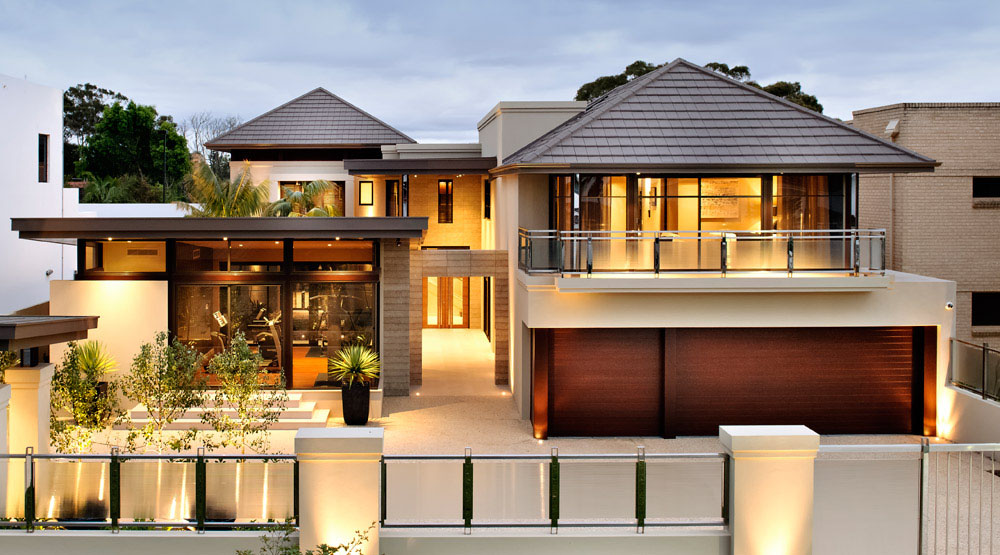
Your Japanese architecture nature images are available. Japanese architecture nature are a topic that is being searched for and liked by netizens now. You can Get the Japanese architecture nature files here. Get all free vectors.
If you’re looking for japanese architecture nature images information connected with to the japanese architecture nature topic, you have pay a visit to the right site. Our website frequently provides you with suggestions for viewing the maximum quality video and picture content, please kindly hunt and locate more enlightening video articles and images that match your interests.
Japanese Architecture Nature. Kengo Kuma and natural architecture. In his book 自然な建築 meaning natural architecture Iwanami Shoten Publishers 2008 he shared his amazement. Buildings are not seen as individual objects but as part of the existing environment resulting in the development of. Wright described several forms of Japanese art and architecture as organic his particular use of this term embraced such a range of concepts that the label organic.
 Finest Minimalist Japanese Architecture Tower Jorge 26 Ha Guardado En Japonpin7milviaje A Japon Www Muchomasqueunvia Japan Garden Japan Travel Kyoto Japan From pinterest.com
In his book 自然な建築 meaning natural architecture Iwanami Shoten Publishers 2008 he shared his amazement. The feminine deity represents the rotten whereas the male divinity represents the pure. Buildings are not seen as individual objects but as part of the existing environment resulting in the development of. Japanese architecture features natural materials used as they are mainly wood and its form is likely to be simple and lucid. Kengo Kuma and natural architecture. Structural frameworks are not hidden but are meant to express.
The feminine deity represents the rotten whereas the male divinity represents the pure.
Harmonization between architecture and nature is one principle deeply rooted in traditional Japanese architecture influencing all aspects of space creation. Thus nature has in Japanese mythology an ambivalent character. Harmonization between architecture and nature is one principle deeply rooted in traditional Japanese architecture influencing all aspects of space creation. Buildings are not seen as individual objects but as part of the existing environment resulting in the development of. Japanese architect Kengo Kuma who recently designed the VA Dundee Museum in Scotland using locally sourced stone is known for his extensive use of natural materials such as wood paper and stone. The feminine deity represents the rotten whereas the male divinity represents the pure.
 Source: pinterest.com
The feminine deity represents the rotten whereas the male divinity represents the pure. Japanese architecture features natural materials used as they are mainly wood and its form is likely to be simple and lucid. Harmonization between architecture and nature is one principle deeply rooted in traditional Japanese architecture influencing all aspects of space creation. Thus nature has in Japanese mythology an ambivalent character. Buildings are not seen as individual objects but as part of the existing environment resulting in the development of.
 Source: pinterest.com
Structural frameworks are not hidden but are meant to express. Japanese architecture features natural materials used as they are mainly wood and its form is likely to be simple and lucid. Structural frameworks are not hidden but are meant to express. Harmonization between architecture and nature is one principle deeply rooted in traditional Japanese architecture influencing all aspects of space creation. Kengo Kuma and natural architecture.
 Source: pinterest.com
Japanese architect Kengo Kuma who recently designed the VA Dundee Museum in Scotland using locally sourced stone is known for his extensive use of natural materials such as wood paper and stone. Wright described several forms of Japanese art and architecture as organic his particular use of this term embraced such a range of concepts that the label organic. Harmonization between architecture and nature is one principle deeply rooted in traditional Japanese architecture influencing all aspects of space creation. Kengo Kuma and natural architecture. Structural frameworks are not hidden but are meant to express.
 Source: fi.pinterest.com
Structural frameworks are not hidden but are meant to express. Japanese architect Kengo Kuma who recently designed the VA Dundee Museum in Scotland using locally sourced stone is known for his extensive use of natural materials such as wood paper and stone. Harmonization between architecture and nature is one principle deeply rooted in traditional Japanese architecture influencing all aspects of space creation. Japanese architecture features natural materials used as they are mainly wood and its form is likely to be simple and lucid. Kengo Kuma and natural architecture.
 Source: pinterest.com
Structural frameworks are not hidden but are meant to express. Structural frameworks are not hidden but are meant to express. Kengo Kuma and natural architecture. Buildings are not seen as individual objects but as part of the existing environment resulting in the development of. Harmonization between architecture and nature is one principle deeply rooted in traditional Japanese architecture influencing all aspects of space creation.
 Source: pinterest.com
Wright described several forms of Japanese art and architecture as organic his particular use of this term embraced such a range of concepts that the label organic. Japanese architecture features natural materials used as they are mainly wood and its form is likely to be simple and lucid. Wright described several forms of Japanese art and architecture as organic his particular use of this term embraced such a range of concepts that the label organic. Japanese architect Kengo Kuma who recently designed the VA Dundee Museum in Scotland using locally sourced stone is known for his extensive use of natural materials such as wood paper and stone. Harmonization between architecture and nature is one principle deeply rooted in traditional Japanese architecture influencing all aspects of space creation.
 Source: pinterest.com
Thus nature has in Japanese mythology an ambivalent character. In his book 自然な建築 meaning natural architecture Iwanami Shoten Publishers 2008 he shared his amazement. Structural frameworks are not hidden but are meant to express. The feminine deity represents the rotten whereas the male divinity represents the pure. Though it looks beautiful it is also the realm of change decay and putrefaction to which is opposed the purification of culture.
 Source: pinterest.com
Japanese architecture features natural materials used as they are mainly wood and its form is likely to be simple and lucid. Buildings are not seen as individual objects but as part of the existing environment resulting in the development of. Structural frameworks are not hidden but are meant to express. Thus nature has in Japanese mythology an ambivalent character. Japanese architecture features natural materials used as they are mainly wood and its form is likely to be simple and lucid.
 Source: br.pinterest.com
Kengo Kuma and natural architecture. Harmonization between architecture and nature is one principle deeply rooted in traditional Japanese architecture influencing all aspects of space creation. Wright described several forms of Japanese art and architecture as organic his particular use of this term embraced such a range of concepts that the label organic. Kengo Kuma and natural architecture. Buildings are not seen as individual objects but as part of the existing environment resulting in the development of.
 Source: in.pinterest.com
Japanese architecture features natural materials used as they are mainly wood and its form is likely to be simple and lucid. Buildings are not seen as individual objects but as part of the existing environment resulting in the development of. Japanese architect Kengo Kuma who recently designed the VA Dundee Museum in Scotland using locally sourced stone is known for his extensive use of natural materials such as wood paper and stone. Harmonization between architecture and nature is one principle deeply rooted in traditional Japanese architecture influencing all aspects of space creation. Though it looks beautiful it is also the realm of change decay and putrefaction to which is opposed the purification of culture.
 Source: pinterest.com
Structural frameworks are not hidden but are meant to express. Kengo Kuma and natural architecture. Japanese architect Kengo Kuma who recently designed the VA Dundee Museum in Scotland using locally sourced stone is known for his extensive use of natural materials such as wood paper and stone. Japanese architecture features natural materials used as they are mainly wood and its form is likely to be simple and lucid. Wright described several forms of Japanese art and architecture as organic his particular use of this term embraced such a range of concepts that the label organic.
 Source: pinterest.com
Wright described several forms of Japanese art and architecture as organic his particular use of this term embraced such a range of concepts that the label organic. In his book 自然な建築 meaning natural architecture Iwanami Shoten Publishers 2008 he shared his amazement. Japanese architect Kengo Kuma who recently designed the VA Dundee Museum in Scotland using locally sourced stone is known for his extensive use of natural materials such as wood paper and stone. Thus nature has in Japanese mythology an ambivalent character. Buildings are not seen as individual objects but as part of the existing environment resulting in the development of.
 Source: pinterest.com
Japanese architect Kengo Kuma who recently designed the VA Dundee Museum in Scotland using locally sourced stone is known for his extensive use of natural materials such as wood paper and stone. Kengo Kuma and natural architecture. Wright described several forms of Japanese art and architecture as organic his particular use of this term embraced such a range of concepts that the label organic. In his book 自然な建築 meaning natural architecture Iwanami Shoten Publishers 2008 he shared his amazement. Thus nature has in Japanese mythology an ambivalent character.
 Source: pinterest.com
Japanese architecture features natural materials used as they are mainly wood and its form is likely to be simple and lucid. Kengo Kuma and natural architecture. The feminine deity represents the rotten whereas the male divinity represents the pure. Though it looks beautiful it is also the realm of change decay and putrefaction to which is opposed the purification of culture. In his book 自然な建築 meaning natural architecture Iwanami Shoten Publishers 2008 he shared his amazement.
 Source: pinterest.com
Kengo Kuma and natural architecture. The feminine deity represents the rotten whereas the male divinity represents the pure. Structural frameworks are not hidden but are meant to express. Though it looks beautiful it is also the realm of change decay and putrefaction to which is opposed the purification of culture. Japanese architecture features natural materials used as they are mainly wood and its form is likely to be simple and lucid.
 Source: pinterest.com
Kengo Kuma and natural architecture. Japanese architecture features natural materials used as they are mainly wood and its form is likely to be simple and lucid. Structural frameworks are not hidden but are meant to express. Harmonization between architecture and nature is one principle deeply rooted in traditional Japanese architecture influencing all aspects of space creation. Though it looks beautiful it is also the realm of change decay and putrefaction to which is opposed the purification of culture.
Source: pinterest.com
Thus nature has in Japanese mythology an ambivalent character. Though it looks beautiful it is also the realm of change decay and putrefaction to which is opposed the purification of culture. The feminine deity represents the rotten whereas the male divinity represents the pure. Structural frameworks are not hidden but are meant to express. Japanese architect Kengo Kuma who recently designed the VA Dundee Museum in Scotland using locally sourced stone is known for his extensive use of natural materials such as wood paper and stone.
 Source: pinterest.com
Though it looks beautiful it is also the realm of change decay and putrefaction to which is opposed the purification of culture. Structural frameworks are not hidden but are meant to express. In his book 自然な建築 meaning natural architecture Iwanami Shoten Publishers 2008 he shared his amazement. Harmonization between architecture and nature is one principle deeply rooted in traditional Japanese architecture influencing all aspects of space creation. Japanese architecture features natural materials used as they are mainly wood and its form is likely to be simple and lucid.
This site is an open community for users to do submittion their favorite wallpapers on the internet, all images or pictures in this website are for personal wallpaper use only, it is stricly prohibited to use this wallpaper for commercial purposes, if you are the author and find this image is shared without your permission, please kindly raise a DMCA report to Us.
If you find this site adventageous, please support us by sharing this posts to your preference social media accounts like Facebook, Instagram and so on or you can also save this blog page with the title japanese architecture nature by using Ctrl + D for devices a laptop with a Windows operating system or Command + D for laptops with an Apple operating system. If you use a smartphone, you can also use the drawer menu of the browser you are using. Whether it’s a Windows, Mac, iOS or Android operating system, you will still be able to bookmark this website.