Your Japanese pagodas architecture history and fact images are available. Japanese pagodas architecture history and fact are a topic that is being searched for and liked by netizens now. You can Get the Japanese pagodas architecture history and fact files here. Get all royalty-free vectors.
If you’re looking for japanese pagodas architecture history and fact images information connected with to the japanese pagodas architecture history and fact keyword, you have visit the right site. Our website frequently gives you suggestions for seeing the highest quality video and image content, please kindly search and find more enlightening video content and graphics that fit your interests.
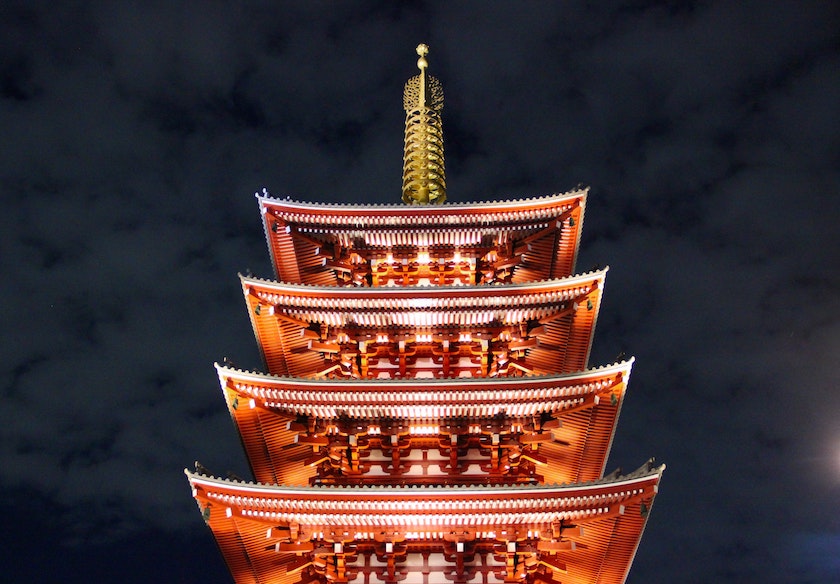
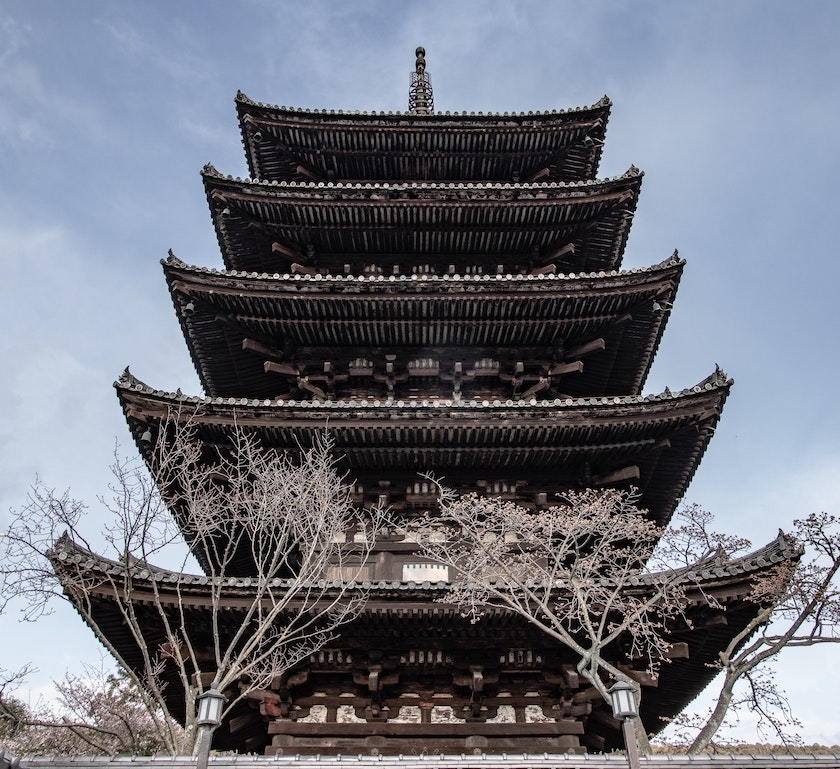
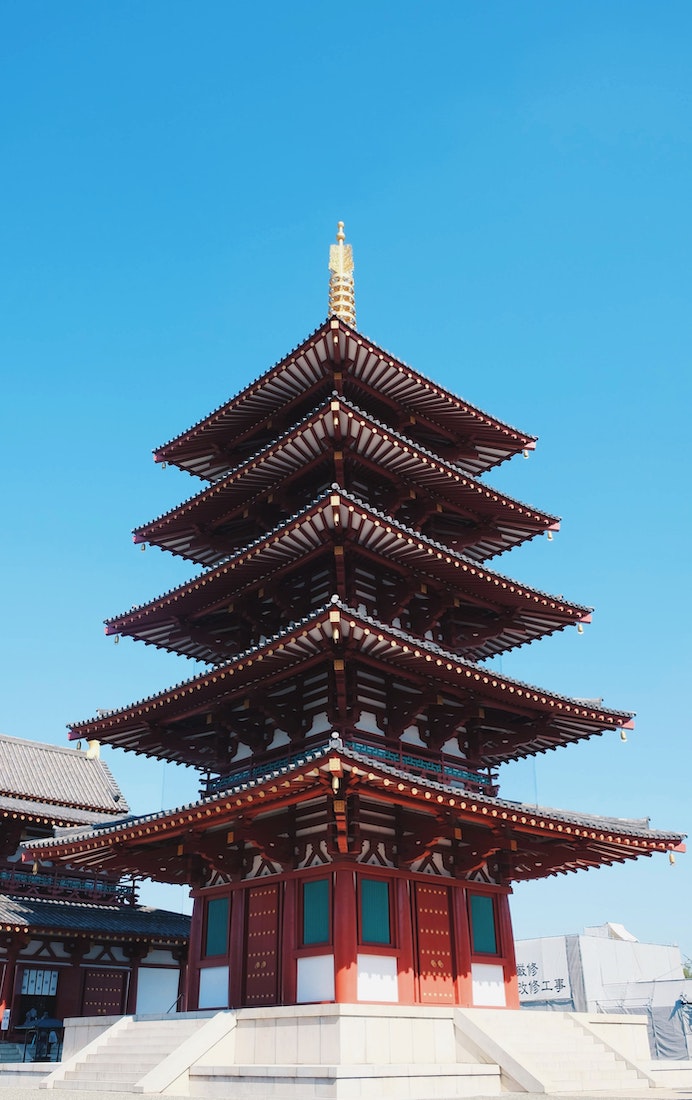
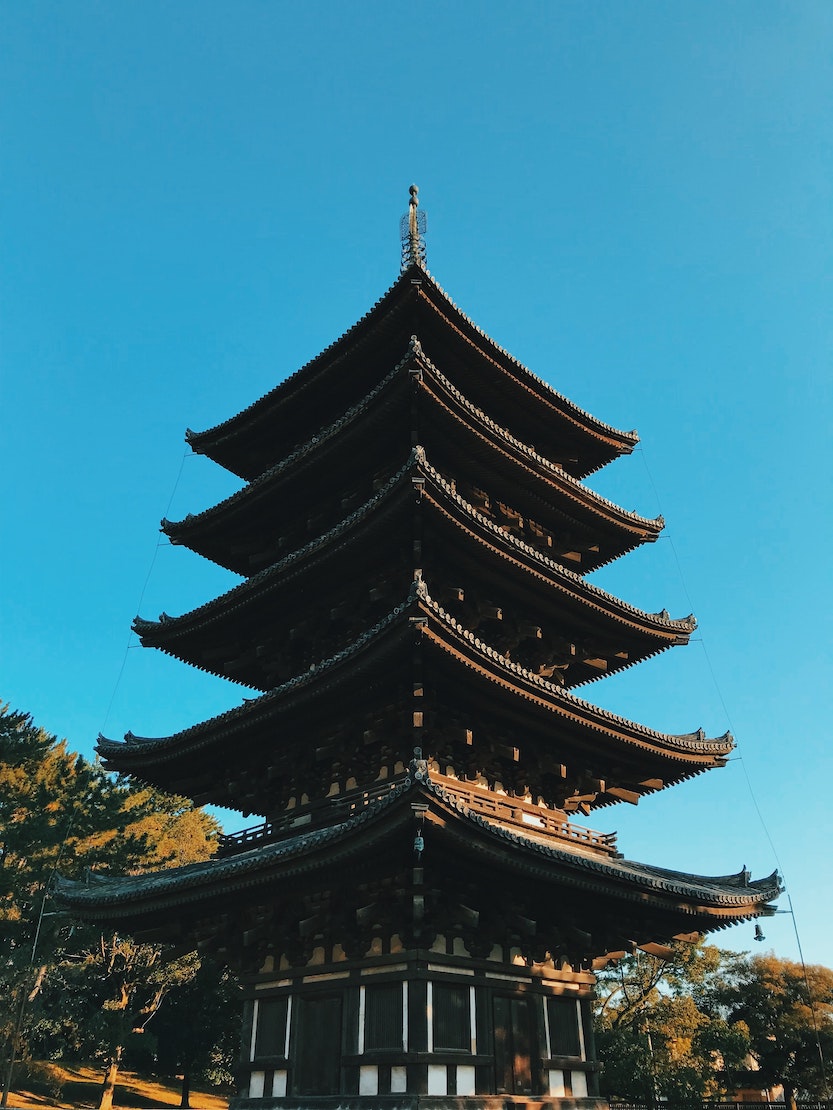
Japanese Pagodas Architecture History And Fact. To allow the opening of a room at the ground floor and therefore create some usable space the pagodas central shaft which originally reached the ground was shortened to the upper stories where it rested on supporting beams. The five-story pagodas are unique in traditional Japanese architecture. The pagoda a structure that has evolved from the Indian stupa usually comes with three sanju no to or five goju no to stories. High tables were incorporated into the designs in the 19th century.
 Visiting Senso Ji Temple In Tokyo Japan Annie Fairfax Sensoji Temple Japan Tourism Japanese Travel From pinterest.com
Now we see the oldest wooden architecture in the world at Horyuji in Japan after several. The utmost priority in architectural design is focused on their height and not practical usability. High tables were incorporated into the designs in the 19th century. Pagodas store remains of the Buddha such as. However the influence of the Han Dynasty introduced the notion of more complex structures. Pagodas originally were reliquaries and did not contain sacred images but in Japan many for example Hōryū-jis five-storied pagoda enshrine statues of various deities.
Japanese pagodas In Japan pagodas are mostly wooden structures that were found to be less vulnerable to earthquakes however are somewhat of a fire hazard.
The five-story pagodas are unique in traditional Japanese architecture. Pagodas are usually associated with Buddhist temples and therefore most are found in. Pagodas originally were reliquaries and did not contain sacred images but in Japan many for example Hōryū-jis five-storied pagoda enshrine statues of various deities. The Asuka periodinternal structures such as a pagoda a form derived from the Indian stupa that served the dual functions of cosmological diagram and reliquary of important personages and a main hall kondō both used for worship. The pagoda a structure that has evolved from the Indian stupa usually comes with three sanju no to or five goju no to stories. The five-story pagodas are unique in traditional Japanese architecture.
 Source: pinterest.com
Pagodas are usually associated with Buddhist temples and therefore most are found in. By Kelly Pang Updated Mar. One of the proofs for this is that the oldest standing pagoda in Japan is made from wood. Japanese pagodas In Japan pagodas are mostly wooden structures that were found to be less vulnerable to earthquakes however are somewhat of a fire hazard. The five-story pagodas are unique in traditional Japanese architecture.
 Source: pinterest.com
A Japanese pagoda is a square tower that is usually part of a monastery used by Buddhist monks. The predecessors of the pagoda called stupa were first created in India. Among them the most remarkable ones are the large wooden five- and three-storied pagodas. The design and shape of the pagodas found in Japan will be further discussed later in this article. The utmost priority in architectural design is focused on their height and not practical usability.
Source: pinterest.com
Origins of the Pagoda It is thought that pagodas originated in India though many would believe due to the name that it was first created in China or Japan. Origins of the Pagoda It is thought that pagodas originated in India though many would believe due to the name that it was first created in China or Japan. The Asuka periodinternal structures such as a pagoda a form derived from the Indian stupa that served the dual functions of cosmological diagram and reliquary of important personages and a main hall kondō both used for worship. The design and shape of the pagodas found in Japan will be further discussed later in this article. 7th c the carpenters began to work with Japanese manners and converted design systems and tools.
 Source: jrpass.com
Japans early architecture was comprised of simple pit-houses which were simply functional and catered to the needs of the hunter-gatherer population. They are often five-tiered buildings representing the elements from bottom to top earth water fire wind and space. Origins of the Pagoda It is thought that pagodas originated in India though many would believe due to the name that it was first created in China or Japan. Most of the pagoda structures which are still standing today are made of wood. By Kelly Pang Updated Mar.
 Source: pinterest.com
Chinese architecture covers buildings and structures from ancient to modern China from city walls temples pagodas and tombs through colonial buildings to skyscrapers. Pagodas store remains of the Buddha such as. In addition to religious use since ancient times Chinese pagodas have been praised for the spectacular views they offer and many famous poems in Chinese history attest to the joy of scaling pagodas. Now we see the oldest wooden architecture in the world at Horyuji in Japan after several. See Article History.
 Source: pinterest.com
High tables were incorporated into the designs in the 19th century. The pagoda has been one of the most recognizable forms of Japanese architecture throughout history. Japanese architecture the built structures of Japan and their context. Now we see the oldest wooden architecture in the world at Horyuji in Japan after several. Japanese pagodas In Japan pagodas are mostly wooden structures that were found to be less vulnerable to earthquakes however are somewhat of a fire hazard.
 Source: study.com
However the influence of the Han Dynasty introduced the notion of more complex structures. Origins of the Pagoda It is thought that pagodas originated in India though many would believe due to the name that it was first created in China or Japan. Most of the pagoda structures which are still standing today are made of wood. The pagoda has been one of the most recognizable forms of Japanese architecture throughout history. This is particularly due to the fact that the material can move along the motion of a force be it strong wind or quakes from the ground.
 Source: jrpass.com
The utmost priority in architectural design is focused on their height and not practical usability. Origins of the Pagoda It is thought that pagodas originated in India though many would believe due to the name that it was first created in China or Japan. This is particularly due to the fact that the material can move along the motion of a force be it strong wind or quakes from the ground. A pagoda is a multistory vertical tower-like structure usually made of stone concrete brick or wood. Japans early architecture was comprised of simple pit-houses which were simply functional and catered to the needs of the hunter-gatherer population.
 Source: jrpass.com
These distinctive trends and types of buildings introduced should help you understand Chinese architecture more. Pagodas originally were reliquaries and did not contain sacred images but in Japan many for example Hōryū-jis five-storied pagoda enshrine statues of various deities. Instead of stretching timber or brick framework pagodas were more constructed with Zhuanfangmu structure which means use the brick to imitate the real wood material. It served as a temple and housed sacred relics. This is particularly due to the fact that the material can move along the motion of a force be it strong wind or quakes from the ground.
 Source: pinterest.com
A pervasive characteristic of Japanese architectureand indeed of all the visual arts of Japanis an understanding of the natural world as a source of spiritual insight and an instructive mirror of human emotion. Some pagodas use their interior space up to the second floor. The pagoda has been one of the most recognizable forms of Japanese architecture throughout history. From the works of origins of Japanese pagodas which were built in 6th c. By Kelly Pang Updated Mar.
 Source: jappleng.com
A pagoda is a multistory vertical tower-like structure usually made of stone concrete brick or wood. One of the proofs for this is that the oldest standing pagoda in Japan is made from wood. Among them the most remarkable ones are the large wooden five- and three-storied pagodas. The predecessors of the pagoda called stupa were first created in India. Japanese pagodas In Japan pagodas are mostly wooden structures that were found to be less vulnerable to earthquakes however are somewhat of a fire hazard.
 Source: pinterest.com
These unique temples have stood the test of time and are often used as tourist attractions today. In Japan the construction of Buddhist pagodas begun as early as the 7th century and thus they became symbols of traditional Japan. These distinctive trends and types of buildings introduced should help you understand Chinese architecture more. To allow the opening of a room at the ground floor and therefore create some usable space the pagodas central shaft which originally reached the ground was shortened to the upper stories where it rested on supporting beams. 7th c the carpenters began to work with Japanese manners and converted design systems and tools.
 Source: jrpass.com
The pagoda a structure that has evolved from the Indian stupa usually comes with three sanju no to or five goju no to stories. The Asuka periodinternal structures such as a pagoda a form derived from the Indian stupa that served the dual functions of cosmological diagram and reliquary of important personages and a main hall kondō both used for worship. They are often five-tiered buildings representing the elements from bottom to top earth water fire wind and space. Among them the most remarkable ones are the large wooden five- and three-storied pagodas. Tǎ are a traditional part of Chinese architecture.
 Source: pinterest.com
7th c the carpenters began to work with Japanese manners and converted design systems and tools. This structure was created in Tang dynasty but completely developed during Ming dynasty and Qing dynasty. Pagodas store remains of the Buddha such as. The pagoda has been one of the most recognizable forms of Japanese architecture throughout history. Tǎ are a traditional part of Chinese architecture.
 Source: pinterest.com
Pagodas are usually associated with Buddhist temples and therefore most are found in. Japans early architecture was comprised of simple pit-houses which were simply functional and catered to the needs of the hunter-gatherer population. A pervasive characteristic of Japanese architectureand indeed of all the visual arts of Japanis an understanding of the natural world as a source of spiritual insight and an instructive mirror of human emotion. High tables were incorporated into the designs in the 19th century. To allow the opening of a room at the ground floor and therefore create some usable space the pagodas central shaft which originally reached the ground was shortened to the upper stories where it rested on supporting beams.
 Source: br.pinterest.com
Pagodas store remains of the Buddha such as. Origins of the Pagoda It is thought that pagodas originated in India though many would believe due to the name that it was first created in China or Japan. These unique temples have stood the test of time and are often used as tourist attractions today. Japanese architecture the built structures of Japan and their context. The five-story pagodas are unique in traditional Japanese architecture.
 Source: thekyotoproject.org
A pervasive characteristic of Japanese architectureand indeed of all the visual arts of Japanis an understanding of the natural world as a source of spiritual insight and an instructive mirror of human emotion. High tables were incorporated into the designs in the 19th century. The utmost priority in architectural design is focused on their height and not practical usability. A Japanese pagoda is a square tower that is usually part of a monastery used by Buddhist monks. It served as a temple and housed sacred relics.
 Source: pinterest.com
The five-story pagodas are unique in traditional Japanese architecture. The pagoda has been one of the most recognizable forms of Japanese architecture throughout history. Now we see the oldest wooden architecture in the world at Horyuji in Japan after several. Most of the pagoda structures which are still standing today are made of wood. 7th c the carpenters began to work with Japanese manners and converted design systems and tools.
This site is an open community for users to submit their favorite wallpapers on the internet, all images or pictures in this website are for personal wallpaper use only, it is stricly prohibited to use this wallpaper for commercial purposes, if you are the author and find this image is shared without your permission, please kindly raise a DMCA report to Us.
If you find this site serviceableness, please support us by sharing this posts to your own social media accounts like Facebook, Instagram and so on or you can also bookmark this blog page with the title japanese pagodas architecture history and fact by using Ctrl + D for devices a laptop with a Windows operating system or Command + D for laptops with an Apple operating system. If you use a smartphone, you can also use the drawer menu of the browser you are using. Whether it’s a Windows, Mac, iOS or Android operating system, you will still be able to bookmark this website.


