Your Middle ages gothic architecture images are ready in this website. Middle ages gothic architecture are a topic that is being searched for and liked by netizens today. You can Get the Middle ages gothic architecture files here. Get all free vectors.
If you’re looking for middle ages gothic architecture pictures information linked to the middle ages gothic architecture interest, you have come to the ideal site. Our site frequently gives you suggestions for downloading the maximum quality video and image content, please kindly hunt and find more enlightening video articles and images that match your interests.
Middle Ages Gothic Architecture. The Gothic architectural movement originated in the Middle Ages around the mid-12th century in France and though enthusiasm began to wane in central Italy towards the 16th century other parts of northern Europe continued to embrace the style allowing aspects to flourish to this day. Gothic architecture flourished and became popular in Europe during the Late Middle Ages. Middle Ages Architecture - Gothic Architecture The later Middle Ages saw the emergence of Gothic style architecture. Gothic architecture is a way of planning and designing buildings that developed in Western Europe in the Late Middle Ages.
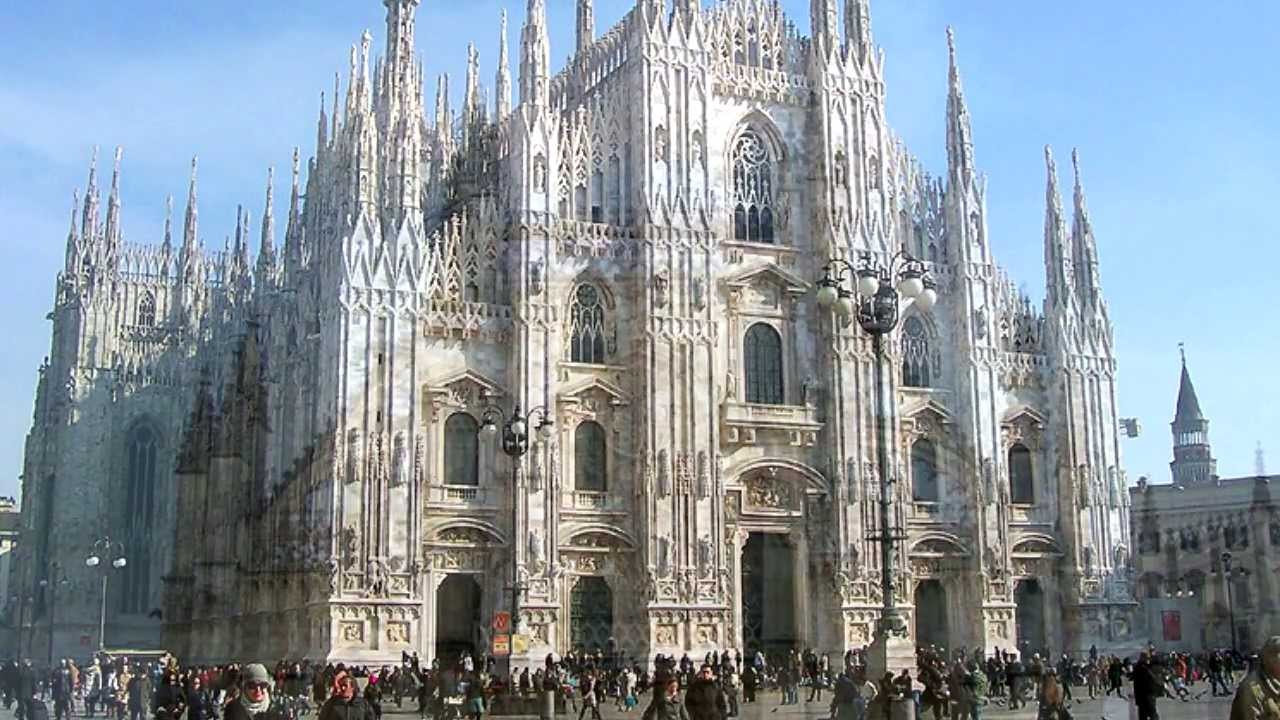
 Type Of European Architecture That Developed In The Middle Ages Characterized By Flying Buttresses Ribbed Vaultin Italy History Late Middle Ages Medieval Art From pinterest.com
Although widespread use of the style stopped. Gothic or Columnar architecture is the term used to explain the building styles used between 1200 - 1500 AD. Gothic Architecture has become intimately associated with the Medieval Era but it didnt die out along with it. The Gothic architectural style has evolved from Romanesque architecture and has been a staple of Europe for a significant period of the middle ages. Gothic Architecture Key Contribution from the Middle Ages Assignment Gothic Architecture The technical revolution in architecture known as Gothic began at the end of the 12th century and lasted Just over two hundred years. The name Gothic has nothing to do with the Goths.
Gothic Architecture Key Contribution from the Middle Ages Assignment Gothic Architecture The technical revolution in architecture known as Gothic began at the end of the 12th century and lasted Just over two hundred years.
Byland Abbey church North Yorkshire is an outstanding example of early Gothic architecture. Completed in the 1190s Byland was one of the first monasteries in the north of England to adopt Gothic forms and its church remarkable for both its. Gothic architecture grew out of Romanesque architecture in France in the 12th century. From the 12th to 16th centuries this was the dominant mode of construction in Europe and its soaring buildings have left a lasting mark on countless cities. Although widespread use of the style stopped. Lighting also played a significant role in the design of the church or the cathedral.
 Source: fi.pinterest.com
Middle Ages Architecture - Gothic Architecture The later Middle Ages saw the emergence of Gothic style architecture. From the north of France it comes first to the Rhenish towns but very soon it becomes home to the Elbe and the Danube. Middle Ages Architecture - Gothic Architecture The later Middle Ages saw the emergence of Gothic style architecture. Gradually architecture of the Middle Ages went through a significant change and constructors started to produce building with perpendicular architecture which is also known as the Gothic architecture. Gothic architecture grew out of Romanesque architecture in France in the 12th century.
 Source: co.pinterest.com
The advances made in architecture paralleled those in intellectual life. Gothic art evolved from Romanesque art and lasted from the mid-12th century to as late as the end of the 16th century in some areas. Gothic Architecture was the major style during the middle ages. Gothic architecture grew out of Romanesque architecture in France in the 12th century. Byland Abbey church North Yorkshire is an outstanding example of early Gothic architecture.
 Source: pinterest.com
The Gothic architectural style has evolved from Romanesque architecture and has been a staple of Europe for a significant period of the middle ages. Gothic Architecture Key Contribution from the Middle Ages Assignment Gothic Architecture The technical revolution in architecture known as Gothic began at the end of the 12th century and lasted Just over two hundred years. It is mostly characterised by its rib vaults and flying buttresses. Gothic or Columnar architecture is the term used to explain the building styles used between 1200 - 1500 AD. At the beginning of the 13th century a new style the Gothic penetrated our architecture.
 Source: pinterest.com
Gothic architecture spread across Europe and lasted until the 16th century when Renaissance architecture became popular. At the beginning of the late Middle Ages the world witnessed the emergence of Gothic architecture. Gothic architecture spread across Europe and lasted until the 16th century when Renaissance architecture became popular. Lighting also played a significant role in the design of the church or the cathedral. The advances made in architecture paralleled those in intellectual life.
 Source: br.pinterest.com
Although widespread use of the style stopped. Lighting also played a significant role in the design of the church or the cathedral. Gothic Architecture has become intimately associated with the Medieval Era but it didnt die out along with it. By 1250 it had completely replaced the Romanesque style. Gradually architecture of the Middle Ages went through a significant change and constructors started to produce building with perpendicular architecture which is also known as the Gothic architecture.
 Source: pinterest.com
The Gothic style of architecture marks the European architecture from the beginning of the 12th century until the middle of the 14th century. The Gothic architectural style has evolved from Romanesque architecture and has been a staple of Europe for a significant period of the middle ages. At the beginning of the 13th century a new style the Gothic penetrated our architecture. A great example of. Lighting also played a significant role in the design of the church or the cathedral.
 Source: pinterest.com
Although widespread use of the style stopped. Lighting also played a significant role in the design of the church or the cathedral. It is mostly characterised by its rib vaults and flying buttresses. Gothic Architecture Key Contribution from the Middle Ages Assignment Gothic Architecture The technical revolution in architecture known as Gothic began at the end of the 12th century and lasted Just over two hundred years. Gothic art evolved from Romanesque art and lasted from the mid-12th century to as late as the end of the 16th century in some areas.
 Source: pinterest.com
Gothic Architecture was the major style during the middle ages. Gothic or Columnar architecture is the term used to explain the building styles used between 1200 - 1500 AD. By 1250 it had completely replaced the Romanesque style. Gradually architecture of the Middle Ages went through a significant change and constructors started to produce building with perpendicular architecture which is also known as the Gothic architecture. Gothic architecture grew out of Romanesque architecture in France in the 12th century.
 Source: pinterest.com
The Gothic style of architecture marks the European architecture from the beginning of the 12th century until the middle of the 14th century. Lighting also played a significant role in the design of the church or the cathedral. By 1250 it had completely replaced the Romanesque style. Gothic architecture spread across Europe and lasted until the 16th century when Renaissance architecture became popular. Gothic architecture flourished and became popular in Europe during the Late Middle Ages.
 Source: pinterest.com
By 1250 it had completely replaced the Romanesque style. The name Gothic has nothing to do with the Goths. Gothic art evolved from Romanesque art and lasted from the mid-12th century to as late as the end of the 16th century in some areas. The Gothic style of architecture has become intimately associated with the Middle Ages. Lighting also played a significant role in the design of the church or the cathedral.
 Source: pinterest.com
From the north of France it comes first to the Rhenish towns but very soon it becomes home to the Elbe and the Danube. Middle Ages Architecture - Gothic Architecture The later Middle Ages saw the emergence of Gothic style architecture. The Gothic style of architecture has become intimately associated with the Middle Ages. Gothic architecture spread across Europe and lasted until the 16th century when Renaissance architecture became popular. Completed in the 1190s Byland was one of the first monasteries in the north of England to adopt Gothic forms and its church remarkable for both its.
 Source: pinterest.com
Middle Ages Architecture - Gothic Architecture The later Middle Ages saw the emergence of Gothic style architecture. Gothic art the painting sculpture and architecture characteristic of the second of two great international eras that flourished in western and central Europe during the Middle Ages. Completed in the 1190s Byland was one of the first monasteries in the north of England to adopt Gothic forms and its church remarkable for both its. At the beginning of the late Middle Ages the world witnessed the emergence of Gothic architecture. A great example of.
 Source: pinterest.com
Gothic or Columnar architecture is the term used to explain the building styles used between 1200 - 1500 AD. Middle Ages Gothic architecture and decoration originally emerged in France. From the north of France it comes first to the Rhenish towns but very soon it becomes home to the Elbe and the Danube. Lighting also played a significant role in the design of the church or the cathedral. Although widespread use of the style stopped.
 Source: pinterest.com
Completed in the 1190s Byland was one of the first monasteries in the north of England to adopt Gothic forms and its church remarkable for both its. The Gothic architectural movement originated in the Middle Ages around the mid-12th century in France and though enthusiasm began to wane in central Italy towards the 16th century other parts of northern Europe continued to embrace the style allowing aspects to flourish to this day. By 1250 it had completely replaced the Romanesque style. From the north of France it comes first to the Rhenish towns but very soon it becomes home to the Elbe and the Danube. Middle Ages Architecture - Gothic Architecture The later Middle Ages saw the emergence of Gothic style architecture.
 Source: br.pinterest.com
Gothic architecture is a way of planning and designing buildings that developed in Western Europe in the Late Middle Ages. Gothic or Perpendicular Architecture is the term which is used to describe the building styles which were used between 1200 - 1500AD. The Gothic style of architecture marks the European architecture from the beginning of the 12th century until the middle of the 14th century. Lighting also played a significant role in the design of the church or the cathedral. Gothic architecture spread across Europe and lasted until the 16th century when Renaissance architecture became popular.
 Source: pinterest.com
Gothic architecture dates back to the latter half of the medieval period roughly between the twelfth and fifteenth centuries. A great example of. At the beginning of the 13th century a new style the Gothic penetrated our architecture. Gothic art evolved from Romanesque art and lasted from the mid-12th century to as late as the end of the 16th century in some areas. Gothic architecture flourished and became popular in Europe during the Late Middle Ages.
 Source: pinterest.com
Gothic or Perpendicular Architecture is the term which is used to describe the building styles which were used between 1200 - 1500AD. Gothic or Perpendicular Architecture is the term which is used to describe the building styles which were used between 1200 - 1500AD. Gothic Architecture was the major style during the middle ages. Byland Abbey church North Yorkshire is an outstanding example of early Gothic architecture. Gothic architecture grew out of Romanesque architecture in France in the 12th century.
Source: pinterest.com
Middle Ages Architecture - Gothic Architecture The later Middle Ages saw the emergence of Gothic style architecture. Gothic architecture grew out of Romanesque architecture in France in the 12th century. Gothic architecture dates back to the latter half of the medieval period roughly between the twelfth and fifteenth centuries. Gothic architecture flourished and became popular in Europe during the Late Middle Ages. Gothic or Perpendicular Architecture is the term which is used to describe the building styles which were used between 1200 - 1500AD.
This site is an open community for users to submit their favorite wallpapers on the internet, all images or pictures in this website are for personal wallpaper use only, it is stricly prohibited to use this wallpaper for commercial purposes, if you are the author and find this image is shared without your permission, please kindly raise a DMCA report to Us.
If you find this site good, please support us by sharing this posts to your own social media accounts like Facebook, Instagram and so on or you can also bookmark this blog page with the title middle ages gothic architecture by using Ctrl + D for devices a laptop with a Windows operating system or Command + D for laptops with an Apple operating system. If you use a smartphone, you can also use the drawer menu of the browser you are using. Whether it’s a Windows, Mac, iOS or Android operating system, you will still be able to bookmark this website.


