Your Principles used to design microservices architecture images are ready. Principles used to design microservices architecture are a topic that is being searched for and liked by netizens now. You can Download the Principles used to design microservices architecture files here. Get all free photos.
If you’re looking for principles used to design microservices architecture pictures information related to the principles used to design microservices architecture topic, you have visit the right site. Our site frequently provides you with hints for viewing the highest quality video and picture content, please kindly search and locate more informative video content and images that fit your interests.
Principles Used To Design Microservices Architecture. Continuous Delivery through DevOps Culture. Principles are like guiding markers. This allows large scale functionality to be implemented with manageable units. This chapter explores the system aspects of microservices and illustrates a design process for microservice architecture.
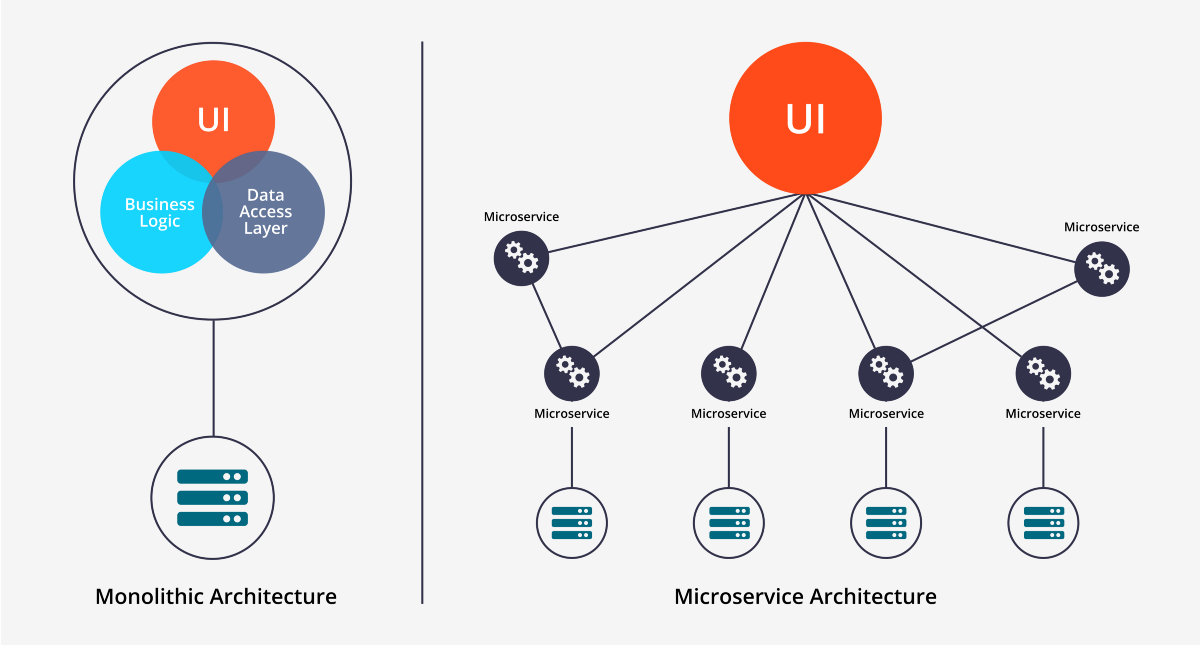 Microservices From devopedia.org
The following are architecture and design principles associated with microservices. Single concern discrete carries its own data transportable and ephemeral. Independent Autonomous Services Scalability Decentralization Resilient Services Real-Time Load Balancing. Another key design principle that we need to build into our microservices architecture is the idea of our system being observable. There are various challenges that can arise when you deploy microservices applications such as. These entities are known as microservices.
Microservice Architecture Principles Loose coupling and high modularity is the pièce de résistance of microservices architecture.
Here building a microservices architecture for a non-project specific purpose is the key. To avoid these issues developers can follow these 10 microservices design principles including defining scope failure-proofing decentralizing data and more. Following are key principles to remember while designing a microservices-based enterprise application. The most unique principle of microservices is their nature of reuse. The following are architecture and design principles associated with microservices. Many microservices developers favor the event-sourcing data architecture design pattern which consists of using a static database element that captures and persistently stores a record of event-based transactions.
 Source: signitysolutions.com
Many microservices developers favor the event-sourcing data architecture design pattern which consists of using a static database element that captures and persistently stores a record of event-based transactions. 18 Microservice Principles. Microservices is an approach to software design that decomposes functionality into small autonomous services. Continuous Delivery through DevOps Culture. Independent Autonomous Services.
 Source: researchgate.net
Learn more about how to properly design a microservice that fits into your. Independent Autonomous Services Scalability Decentralization Resilient Services Real-Time Load Balancing. Developers can simply set new configurations and add new projects logic along with cloning a repository to reuse the application. Learn more about how to properly design a microservice that fits into your. There are various challenges that can arise when you deploy microservices applications such as.
 Source: techiethoughtss.wordpress.com
Another key design principle that we need to build into our microservices architecture is the idea of our system being observable. When any microservice accesses that database element it establishes state by replaying the event record for the service. Similarly Microservices has its own set of principles that helps its implementer to make the correct decision when given multiple options to choose from. Chapter 4 Establishing a Foundation This chapter discusses the core principles for microservice. Another key design principle that we need to build into our microservices architecture is the idea of our system being observable.
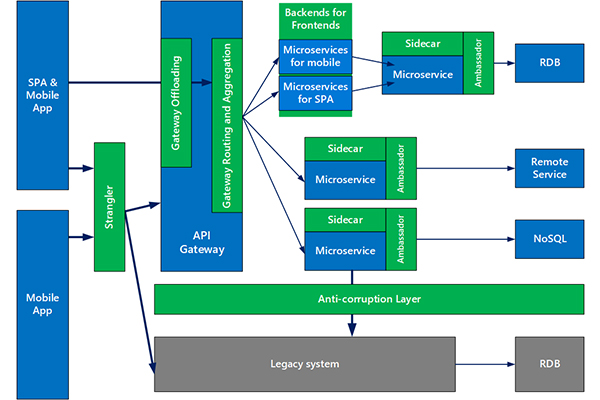 Source: vslive.com
Principles are like guiding markers. Principles Used to Design Microservice Architecture The principles used to design Microservices are as follows. Microservices is an approach to software design that decomposes functionality into small autonomous services. It helps to make a better decision helps to choose better that will take the enterprise closer to its goals. Developers can simply set new configurations and add new projects logic along with cloning a repository to reuse the application.
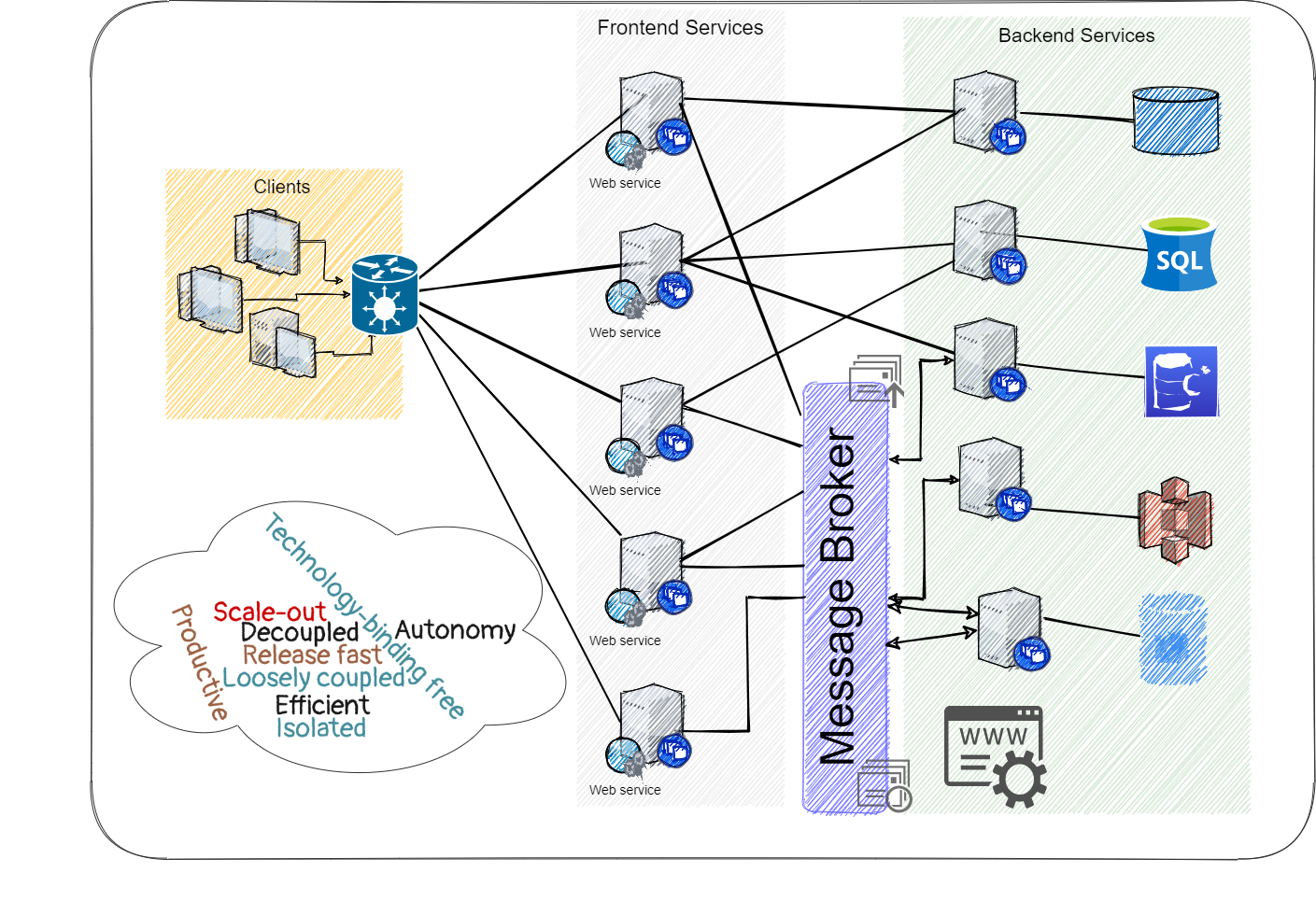 Source: medium.com
This chapter explores the system aspects of microservices and illustrates a design process for microservice architecture. Chapter 4 Establishing a Foundation This chapter discusses the core principles for microservice. By applying as much loose coupling and modularity. 18 Microservice Principles. Single concern discrete carries its own data transportable and ephemeral.
Source: devopedia.org
Microservice design principles can be paired down to five essential ideas. Single concern discrete carries its own data transportable and ephemeral. The most unique principle of microservices is their nature of reuse. Independent Autonomous Services Scalability Decentralization Resilient Services Real-Time Load Balancing. It helps to make a better decision helps to choose better that will take the enterprise closer to its goals.
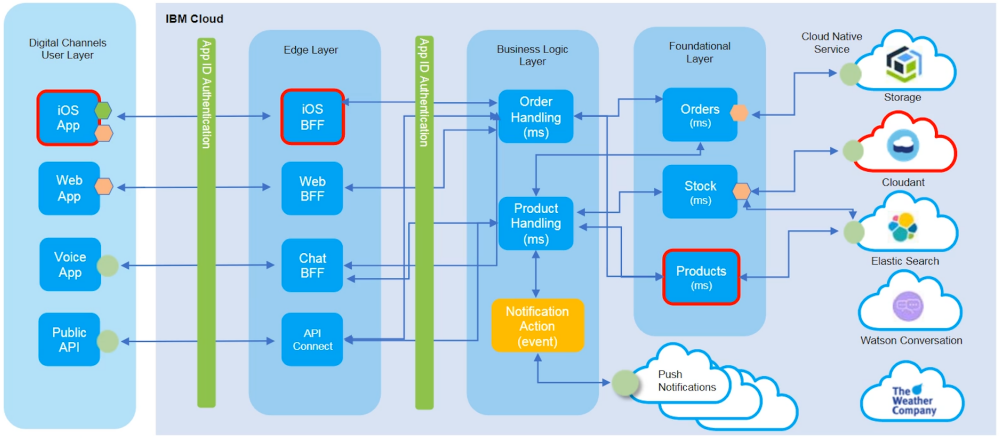 Source: medium.com
Independent Autonomous Services Scalability Decentralization Resilient Services Real-Time Load Balancing. Many microservices developers favor the event-sourcing data architecture design pattern which consists of using a static database element that captures and persistently stores a record of event-based transactions. Here building a microservices architecture for a non-project specific purpose is the key. This chapter explores the system aspects of microservices and illustrates a design process for microservice architecture. Another key design principle that we need to build into our microservices architecture is the idea of our system being observable.
 Source: madhukaudantha.blogspot.com
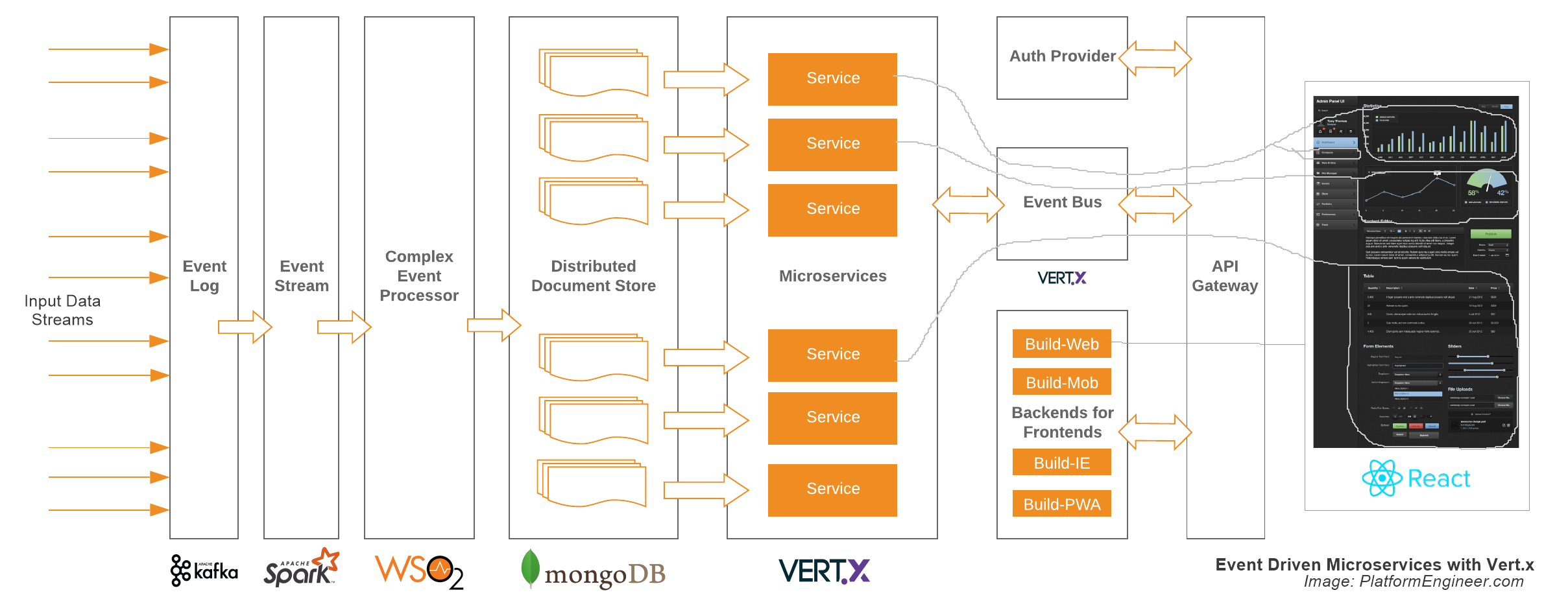
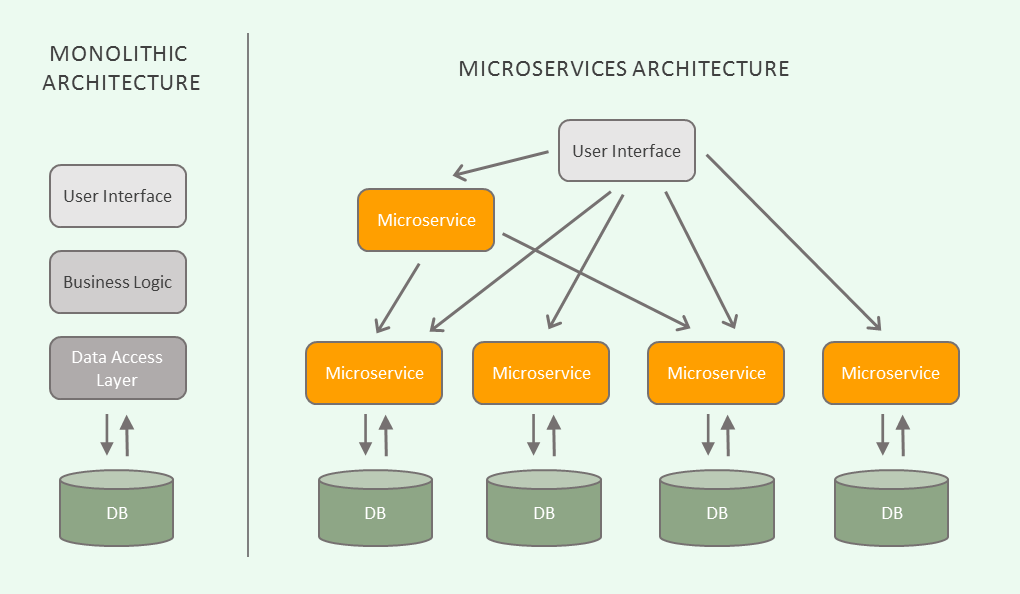
This chapter explores the system aspects of microservices and illustrates a design process for microservice architecture. Decentralization The first and foremost principle to design microservice architecture is the ability to break down the monolithic architecture into separate individual entities. Chapter 4 Establishing a Foundation This chapter discusses the core principles for microservice. Continuous Delivery through DevOps Culture. We need a way to be able to observe our systems health in terms of system status in terms of logs ie an activity currently happening in the system and errors that are currently happening in the system.
 Source: medium.com
Reuse Reuse continues to be a principle of microservice design. Microservice design principles can be paired down to five essential ideas. Another key design principle that we need to build into our microservices architecture is the idea of our system being observable. Microservices is an approach to software design that decomposes functionality into small autonomous services. To begin with a microservice should be independently deployable.
 Source: n-ix.com
Your software system can be deployed as a whole but it is not mandatory. Following are key principles to remember while designing a microservices-based enterprise application. Principles are like guiding markers. Continuous Delivery through DevOps Culture. Developers can simply set new configurations and add new projects logic along with cloning a repository to reuse the application.
 Source: xenonstack.com
18 Microservice Principles. Learn more about how to properly design a microservice that fits into your. Microservice design principles can be paired down to five essential ideas. 18 Microservice Principles. Reuse Reuse continues to be a principle of microservice design.
 Source: algorithmia.com
The most unique principle of microservices is their nature of reuse. Similarly Microservices has its own set of principles that helps its implementer to make the correct decision when given multiple options to choose from. This chapter explores the system aspects of microservices and illustrates a design process for microservice architecture. Developers can simply set new configurations and add new projects logic along with cloning a repository to reuse the application. When any microservice accesses that database element it establishes state by replaying the event record for the service.
 Source: accenture.com
Following are key principles to remember while designing a microservices-based enterprise application. Following are key principles to remember while designing a microservices-based enterprise application. Continuous Delivery through DevOps Culture. Similarly Microservices has its own set of principles that helps its implementer to make the correct decision when given multiple options to choose from. Your software system can be deployed as a whole but it is not mandatory.
 Source: 9spl.com
The following are architecture and design principles associated with microservices. Following are key principles to remember while designing a microservices-based enterprise application. Services microservice can be added and removed from the system as it is running. Your software system can be deployed as a whole but it is not mandatory. There are various challenges that can arise when you deploy microservices applications such as.
 Source: opensenselabs.com
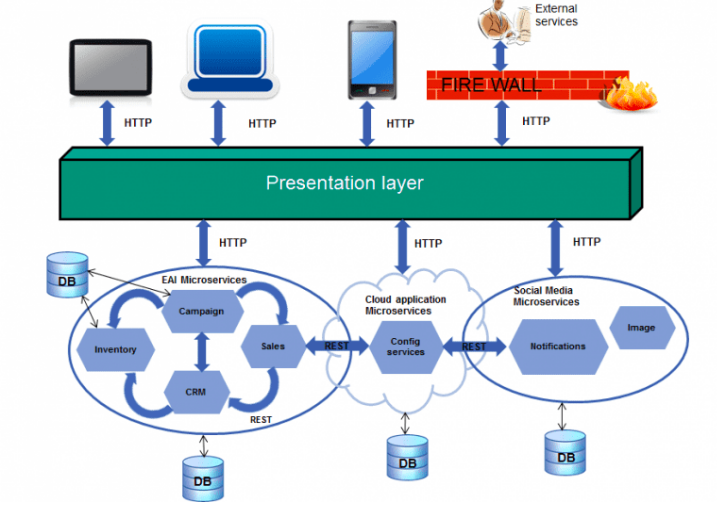
Principles Used to Design Microservice Architecture The principles used to design Microservices are as follows. These entities are known as microservices. Principles Used to Design Microservice Architecture The principles used to design Microservices are as follows. Another key design principle that we need to build into our microservices architecture is the idea of our system being observable. To begin with a microservice should be independently deployable.
 Source: howtodoinjava.com
To avoid these issues developers can follow these 10 microservices design principles including defining scope failure-proofing decentralizing data and more. This chapter explores the system aspects of microservices and illustrates a design process for microservice architecture. Another key design principle that we need to build into our microservices architecture is the idea of our system being observable. Many microservices developers favor the event-sourcing data architecture design pattern which consists of using a static database element that captures and persistently stores a record of event-based transactions. The most unique principle of microservices is their nature of reuse.
 Source: medium.com
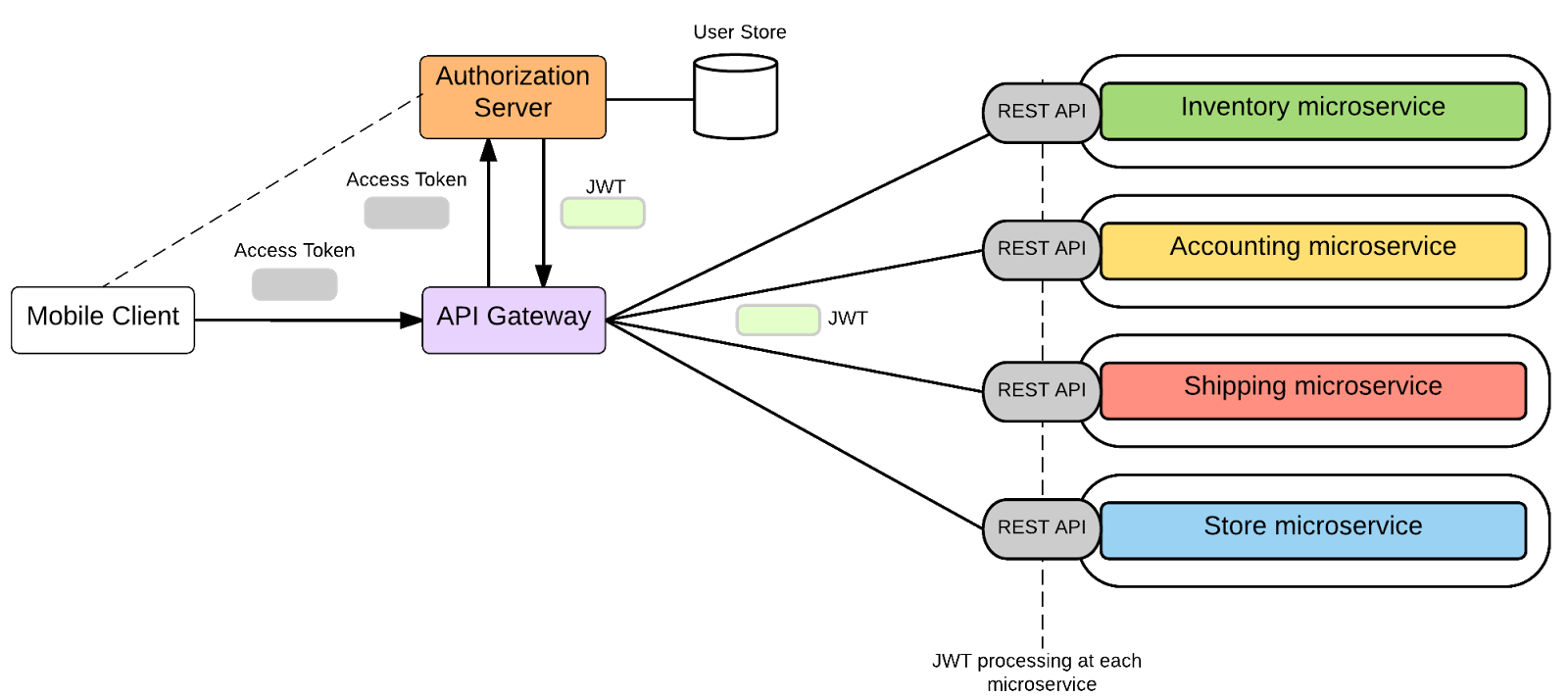
Chapter 4 Establishing a Foundation This chapter discusses the core principles for microservice. We need a way to be able to observe our systems health in terms of system status in terms of logs ie an activity currently happening in the system and errors that are currently happening in the system. To begin with a microservice should be independently deployable. 18 Microservice Principles. Here building a microservices architecture for a non-project specific purpose is the key.
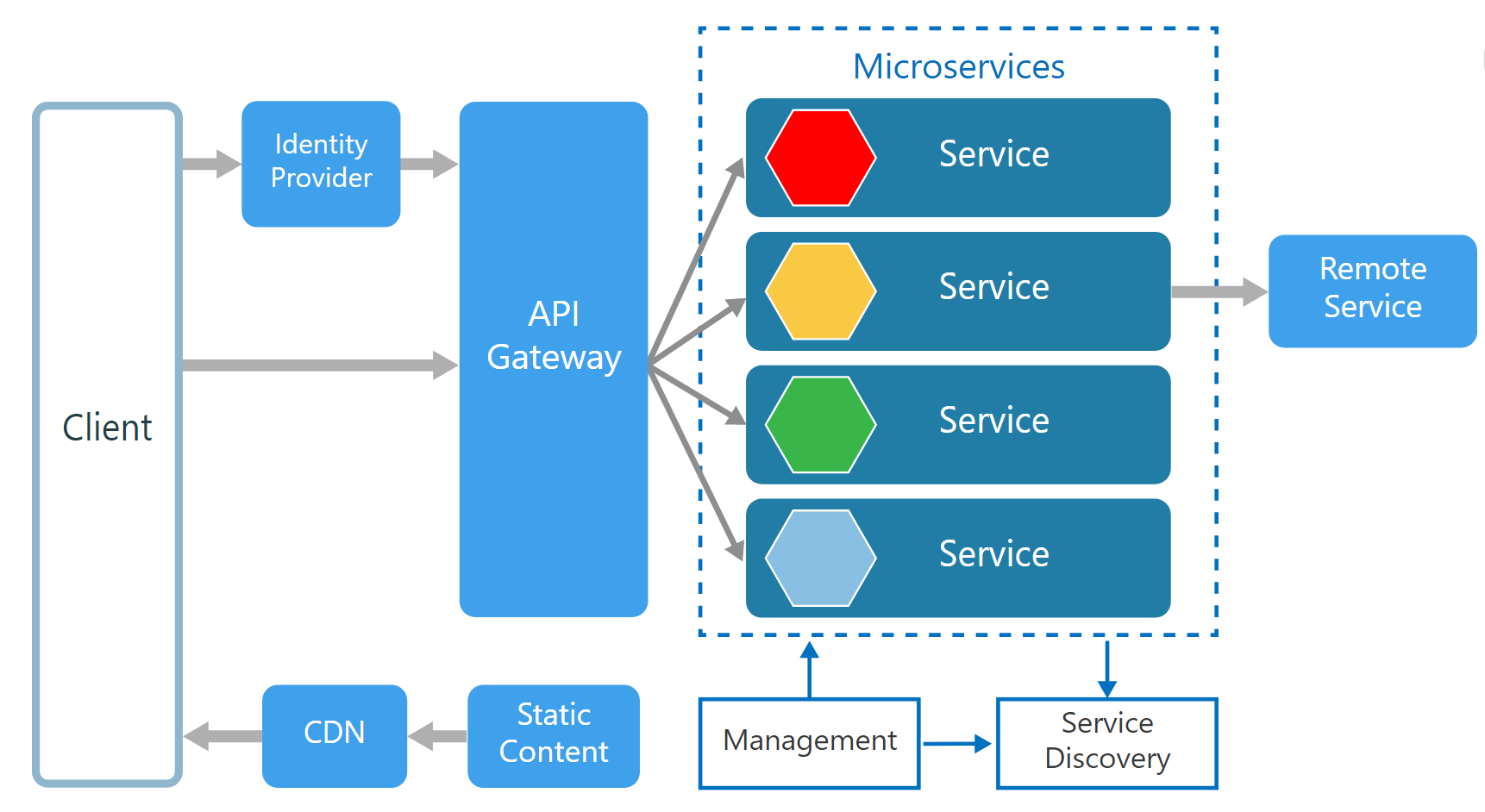 Source: medium.com
This chapter explores the system aspects of microservices and illustrates a design process for microservice architecture. Principles Used to Design Microservice Architecture The principles used to design Microservices are as follows. Learn more about how to properly design a microservice that fits into your. Similarly Microservices has its own set of principles that helps its implementer to make the correct decision when given multiple options to choose from. Developers can simply set new configurations and add new projects logic along with cloning a repository to reuse the application.
This site is an open community for users to share their favorite wallpapers on the internet, all images or pictures in this website are for personal wallpaper use only, it is stricly prohibited to use this wallpaper for commercial purposes, if you are the author and find this image is shared without your permission, please kindly raise a DMCA report to Us.
If you find this site good, please support us by sharing this posts to your preference social media accounts like Facebook, Instagram and so on or you can also save this blog page with the title principles used to design microservices architecture by using Ctrl + D for devices a laptop with a Windows operating system or Command + D for laptops with an Apple operating system. If you use a smartphone, you can also use the drawer menu of the browser you are using. Whether it’s a Windows, Mac, iOS or Android operating system, you will still be able to bookmark this website.


