Your Renaissance gothic architecture images are ready in this website. Renaissance gothic architecture are a topic that is being searched for and liked by netizens today. You can Get the Renaissance gothic architecture files here. Get all royalty-free photos and vectors.
If you’re searching for renaissance gothic architecture images information connected with to the renaissance gothic architecture topic, you have pay a visit to the right site. Our website frequently provides you with suggestions for viewing the highest quality video and image content, please kindly surf and locate more enlightening video content and images that match your interests.
Renaissance Gothic Architecture. Architecture and the Arts in Northern Europe 1470-1540 It is always a cause for celebration when a book forces you to look at even familiar works of art with new appreciation. Gothic architecture started in 12th-century France and lasted for 4 centuries into the 16th. Renaissance influenced gothic architecture rather than Romanesque architectural style and it contains all the core European architectural elements for construction renaissance architecture also considered as the rebirth of classical architecture in the European region classical elements are used to build contemporary buildings which are called as renaissance architecture later. This was called the Plateresque Transition.
 The Spirituality Of Gothic Architecture Look Waay Up Renaissance Architecture Gothic Architecture Church Architecture From pinterest.com
Stylistically Renaissance architecture followed Gothic architecture and was succeeded by Baroque architecture. Architecture and the Arts in Northern Europe 1470-1540が通常配送無料更にAmazonならポイント還元本が多数Kavaler Ethan Matt作品ほかお急ぎ便対象商品は当日お届けも可能. Gothic architecture started in 12th-century France and lasted for 4 centuries into the 16th. Consequently much non-Italian Renaissance architecture embodies a fascinating blend of Gothic intricacy and verticality including towers with Renaissance simplicity and restraint. This was called the Plateresque Transition. Spain tried to implement a transition period where they brought together elements of both architectural styles.
Developed first in Florence with Filippo Brunelleschi as one of its innovators the Renaissance style quickly spread to other Italian cities.
French Renaissance architecture tends to have Gothic features such that it is richly expressive. Stylistically Renaissance architecture followed Gothic architecture and was succeeded by Baroque architecture. Spain tried to implement a transition period where they brought together elements of both architectural styles. Architecture and the Arts in Northern Europe 1470-1540が通常配送無料更にAmazonならポイント還元本が多数Kavaler Ethan Matt作品ほかお急ぎ便対象商品は当日お届けも可能. After that renaissance architecture took the place of Gothic architecture from 15 century until 17 century from Florence Italy. Architecture and the Arts in Northern Europe 1470-1540 It is always a cause for celebration when a book forces you to look at even familiar works of art with new appreciation.
 Source: pinterest.com
After that renaissance architecture took the place of Gothic architecture from 15 century until 17 century from Florence Italy. Renaissance influenced gothic architecture rather than Romanesque architectural style and it contains all the core European architectural elements for construction renaissance architecture also considered as the rebirth of classical architecture in the European region classical elements are used to build contemporary buildings which are called as renaissance architecture later. However Spain still had a firm grasp on the exaggerate gothic architectural style and the life span of renaissance style architecture lasted for a very short period. Spain tried to implement a transition period where they brought together elements of both architectural styles. Architecture and the Arts in Northern Europe 1470-1540 It is always a cause for celebration when a book forces you to look at even familiar works of art with new appreciation.
 Source: pinterest.com
Consequently much non-Italian Renaissance architecture embodies a fascinating blend of Gothic intricacy and verticality including towers with Renaissance simplicity and restraint. Gothic architecture and Renaissance architecture are both the comprehensive expression of culture in their own times. Spain tried to implement a transition period where they brought together elements of both architectural styles. Renaissance Gothic is a remarkably stimulating analysis of architectural ornament from about 1470 to 1540. Architecture and the Arts in Northern Europe 1470-1540 It is always a cause for celebration when a book forces you to look at even familiar works of art with new appreciation.
 Source: in.pinterest.com
After that renaissance architecture took the place of Gothic architecture from 15 century until 17 century from Florence Italy. After that renaissance architecture took the place of Gothic architecture from 15 century until 17 century from Florence Italy. Stylistically Renaissance architecture followed Gothic architecture and was succeeded by Baroque architecture. Ethan Matt Kavaler is professor of art history at the University of Toronto. Renaissance Gothic presents a groundbreaking and detailed study of the Gothic architecture of the late 15th and 16th centuries across Europe.
 Source: ar.pinterest.com
However Spain still had a firm grasp on the exaggerate gothic architectural style and the life span of renaissance style architecture lasted for a very short period. Renaissance Gothic is a remarkably stimulating analysis of architectural ornament from about 1470 to 1540. Consequently much non-Italian Renaissance architecture embodies a fascinating blend of Gothic intricacy and verticality including towers with Renaissance simplicity and restraint. Ethan Matt Kavaler is professor of art history at the University of Toronto. After that renaissance architecture took the place of Gothic architecture from 15 century until 17 century from Florence Italy.
 Source: pinterest.com
In the Venato the Renaissance ushered in a new era of architecture after a phase of Gothic art with the creation of important works including the Ca dOro and the churches of Santa Maria Gloriosa dei Frari and of Saints John and. Ethan Matt Kavaler is professor of art history at the University of Toronto. Renaissance Gothic presents a groundbreaking and detailed study of the Gothic architecture of the late 15th and 16th centuries across Europe. After that renaissance architecture took the place of Gothic architecture from 15 century until 17 century from Florence Italy. Gothic architecture started in 12th-century France and lasted for 4 centuries into the 16th.
 Source: ar.pinterest.com
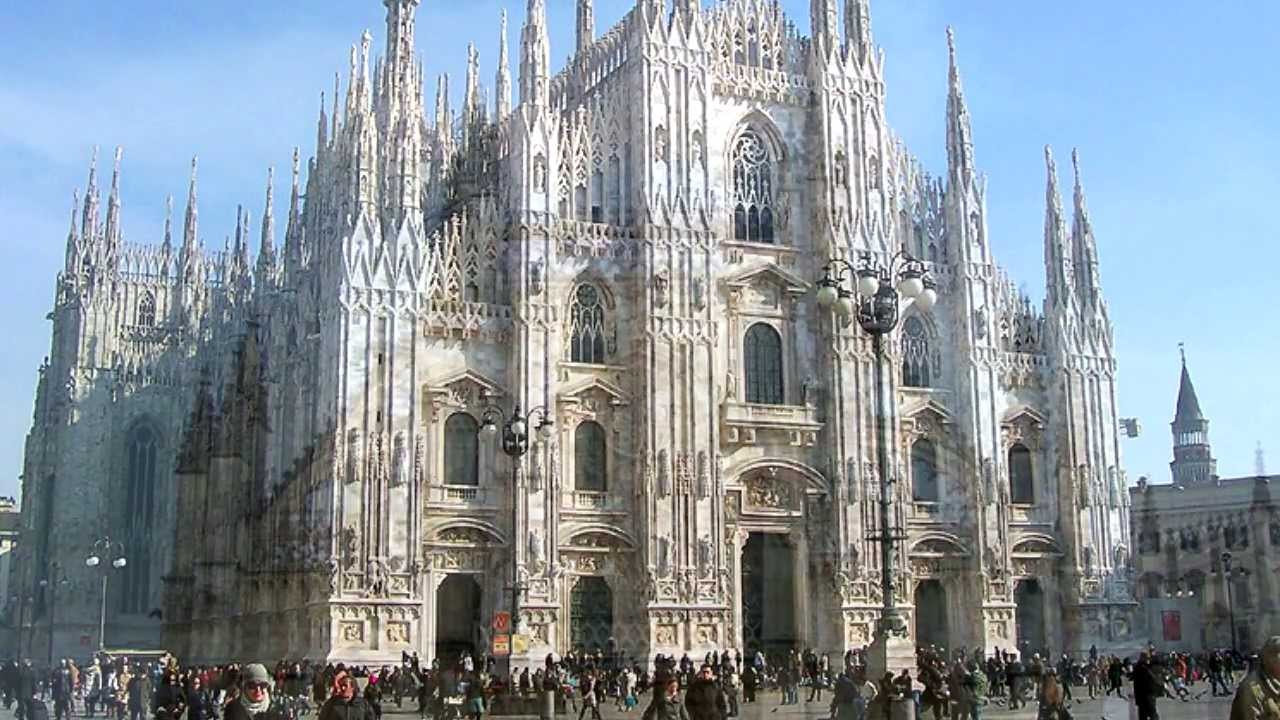
English Renaissance Renaissance architecture did have some influence in England but most English architecture of this period is better described with British periods such as Tudor architecture and Elizabethan architecture. Renaissance influenced gothic architecture rather than Romanesque architectural style and it contains all the core European architectural elements for construction renaissance architecture also considered as the rebirth of classical architecture in the European region classical elements are used to build contemporary buildings which are called as renaissance architecture later. French Renaissance architecture tends to have Gothic features such that it is richly expressive. English Renaissance Renaissance architecture did have some influence in England but most English architecture of this period is better described with British periods such as Tudor architecture and Elizabethan architecture. After that renaissance architecture took the place of Gothic architecture from 15 century until 17 century from Florence Italy.
 Source: pinterest.com
Renaissance influenced gothic architecture rather than Romanesque architectural style and it contains all the core European architectural elements for construction renaissance architecture also considered as the rebirth of classical architecture in the European region classical elements are used to build contemporary buildings which are called as renaissance architecture later. Renaissance influenced gothic architecture rather than Romanesque architectural style and it contains all the core European architectural elements for construction renaissance architecture also considered as the rebirth of classical architecture in the European region classical elements are used to build contemporary buildings which are called as renaissance architecture later. After that renaissance architecture took the place of Gothic architecture from 15 century until 17 century from Florence Italy. Consequently much non-Italian Renaissance architecture embodies a fascinating blend of Gothic intricacy and verticality including towers with Renaissance simplicity and restraint. French Renaissance architecture tends to have Gothic features such that it is richly expressive.
 Source: pinterest.com
After that renaissance architecture took the place of Gothic architecture from 15 century until 17 century from Florence Italy. After that renaissance architecture took the place of Gothic architecture from 15 century until 17 century from Florence Italy. Ethan Matt Kavaler is professor of art history at the University of Toronto. This was called the Plateresque Transition. Consequently much non-Italian Renaissance architecture embodies a fascinating blend of Gothic intricacy and verticality including towers with Renaissance simplicity and restraint.
Source: pinterest.com
Ethan Matt Kavaler is professor of art history at the University of Toronto. Gothic architecture and Renaissance architecture are both the comprehensive expression of culture in their own times. English Renaissance Renaissance architecture did have some influence in England but most English architecture of this period is better described with British periods such as Tudor architecture and Elizabethan architecture. Gothic architecture started in 12th-century France and lasted for 4 centuries into the 16th. In the Venato the Renaissance ushered in a new era of architecture after a phase of Gothic art with the creation of important works including the Ca dOro and the churches of Santa Maria Gloriosa dei Frari and of Saints John and.
 Source: br.pinterest.com
The leading region of Renaissance architecture in northern Europe was France where the primary building type was the chateau country mansion. Gothic architecture started in 12th-century France and lasted for 4 centuries into the 16th. Ethan Matt Kavaler is professor of art history at the University of Toronto. Architecture and the Arts in Northern Europe 1470-1540が通常配送無料更にAmazonならポイント還元本が多数Kavaler Ethan Matt作品ほかお急ぎ便対象商品は当日お届けも可能. In the Venato the Renaissance ushered in a new era of architecture after a phase of Gothic art with the creation of important works including the Ca dOro and the churches of Santa Maria Gloriosa dei Frari and of Saints John and.
 Source: pinterest.com
Gothic architecture and Renaissance architecture are both the comprehensive expression of culture in their own times. Ethan Matt Kavaler is professor of art history at the University of Toronto. Developed first in Florence with Filippo Brunelleschi as one of its innovators the Renaissance style quickly spread to other Italian cities. Gothic architecture started in 12th-century France and lasted for 4 centuries into the 16th. Renaissance influenced gothic architecture rather than Romanesque architectural style and it contains all the core European architectural elements for construction renaissance architecture also considered as the rebirth of classical architecture in the European region classical elements are used to build contemporary buildings which are called as renaissance architecture later.
 Source: pinterest.com
Gothic architecture started in 12th-century France and lasted for 4 centuries into the 16th. This was called the Plateresque Transition. Consequently much non-Italian Renaissance architecture embodies a fascinating blend of Gothic intricacy and verticality including towers with Renaissance simplicity and restraint. The leading region of Renaissance architecture in northern Europe was France where the primary building type was the chateau country mansion. Spain tried to implement a transition period where they brought together elements of both architectural styles.
 Source: pinterest.com
This was called the Plateresque Transition. Spain tried to implement a transition period where they brought together elements of both architectural styles. Developed first in Florence with Filippo Brunelleschi as one of its innovators the Renaissance style quickly spread to other Italian cities. Architecture and the Arts in Northern Europe 1470-1540 It is always a cause for celebration when a book forces you to look at even familiar works of art with new appreciation. Gothic architecture started in 12th-century France and lasted for 4 centuries into the 16th.
 Source: pinterest.com
Developed first in Florence with Filippo Brunelleschi as one of its innovators the Renaissance style quickly spread to other Italian cities. Renaissance influenced gothic architecture rather than Romanesque architectural style and it contains all the core European architectural elements for construction renaissance architecture also considered as the rebirth of classical architecture in the European region classical elements are used to build contemporary buildings which are called as renaissance architecture later. Gothic architecture and Renaissance architecture are both the comprehensive expression of culture in their own times. English Renaissance Renaissance architecture did have some influence in England but most English architecture of this period is better described with British periods such as Tudor architecture and Elizabethan architecture. Developed first in Florence with Filippo Brunelleschi as one of its innovators the Renaissance style quickly spread to other Italian cities.
 Source: pinterest.com
However Spain still had a firm grasp on the exaggerate gothic architectural style and the life span of renaissance style architecture lasted for a very short period. Architecture and the Arts in Northern Europe 1470-1540が通常配送無料更にAmazonならポイント還元本が多数Kavaler Ethan Matt作品ほかお急ぎ便対象商品は当日お届けも可能. Renaissance Gothic presents a groundbreaking and detailed study of the Gothic architecture of the late 15th and 16th centuries across Europe. Architecture and the Arts in Northern Europe 1470-1540 It is always a cause for celebration when a book forces you to look at even familiar works of art with new appreciation. However Spain still had a firm grasp on the exaggerate gothic architectural style and the life span of renaissance style architecture lasted for a very short period.
 Source: pinterest.com
Ethan Matt Kavaler is professor of art history at the University of Toronto. Gothic architecture and Renaissance architecture are both the comprehensive expression of culture in their own times. After that renaissance architecture took the place of Gothic architecture from 15 century until 17 century from Florence Italy. However Spain still had a firm grasp on the exaggerate gothic architectural style and the life span of renaissance style architecture lasted for a very short period. Stylistically Renaissance architecture followed Gothic architecture and was succeeded by Baroque architecture.
 Source: pinterest.com
Spain tried to implement a transition period where they brought together elements of both architectural styles. Spain tried to implement a transition period where they brought together elements of both architectural styles. Ethan Matt Kavaler is professor of art history at the University of Toronto. Stylistically Renaissance architecture followed Gothic architecture and was succeeded by Baroque architecture. English Renaissance Renaissance architecture did have some influence in England but most English architecture of this period is better described with British periods such as Tudor architecture and Elizabethan architecture.
 Source: co.pinterest.com
However Spain still had a firm grasp on the exaggerate gothic architectural style and the life span of renaissance style architecture lasted for a very short period. Gothic architecture started in 12th-century France and lasted for 4 centuries into the 16th. Gothic architecture started in 12th-century France and lasted for 4 centuries into the 16th. Consequently much non-Italian Renaissance architecture embodies a fascinating blend of Gothic intricacy and verticality including towers with Renaissance simplicity and restraint. In the Venato the Renaissance ushered in a new era of architecture after a phase of Gothic art with the creation of important works including the Ca dOro and the churches of Santa Maria Gloriosa dei Frari and of Saints John and.
This site is an open community for users to do submittion their favorite wallpapers on the internet, all images or pictures in this website are for personal wallpaper use only, it is stricly prohibited to use this wallpaper for commercial purposes, if you are the author and find this image is shared without your permission, please kindly raise a DMCA report to Us.
If you find this site good, please support us by sharing this posts to your favorite social media accounts like Facebook, Instagram and so on or you can also save this blog page with the title renaissance gothic architecture by using Ctrl + D for devices a laptop with a Windows operating system or Command + D for laptops with an Apple operating system. If you use a smartphone, you can also use the drawer menu of the browser you are using. Whether it’s a Windows, Mac, iOS or Android operating system, you will still be able to bookmark this website.