Your The savageness of gothic architecture summary images are available. The savageness of gothic architecture summary are a topic that is being searched for and liked by netizens now. You can Find and Download the The savageness of gothic architecture summary files here. Get all royalty-free vectors.
If you’re searching for the savageness of gothic architecture summary images information linked to the the savageness of gothic architecture summary keyword, you have visit the right blog. Our site always gives you hints for refferencing the maximum quality video and image content, please kindly hunt and find more enlightening video content and images that fit your interests.
The Savageness Of Gothic Architecture Summary. This module will investigate approaches to Gothic architecture and its terrible wonder both in the medieval period and since. GOTHIC STYLE Gothic architecture is the architecture of the late medieval period characterised by use of the pointed arch rib vault buttresses including flying buttresses. Ruskin claims that Gothic buildings look that way because in their construction workers and architects were granted a larger freedom from past models and struggled to make them unique and. These characters are here.
 Pythonbrug Amsterdam Oostelijk Havengebied Architect Adriaan Geuze From nl.pinterest.com
If however the savageness of Gothic architecture merely as an expression of its origin among Northern nations may be considered in some sort a noble character it possesses a higher nobility still when considered as an index not of climate but of. Gothic architecture was characterised by accentuated vertical proportions ie. John Ruskin was a leading Victorian critic of both art and society. In the 1850s his interests focused on architecture leading him to write The Stones of Venice. This module will investigate approaches to Gothic architecture and its terrible wonder both in the medieval period and since. He shows that the virtue and piety that marked Venice at its flourishing found expression in Gothic.
The work praised the Gothic and Byzantine forms influencing Victorian architects who began to introduce these elements into their work.
The Stones of Venice is a three-volume treatise on Venetian art and architecture by English art historian John Ruskin first published from 1851 to 1853. Ruskin wrote the work in order to apply to the architecture of Venice the general principles enunciated in his The Seven Lamps of Architecture. Gothic architecture was characterised by accentuated vertical proportions ie. John Ruskin was a leading Victorian critic of both art and society. What is especially interesting in light of this particular influence is the manner in which Ruskin identifies how the three dominant schools of architecture in Venice relate to that concept of morality. If however the savageness of Gothic architecture merely as an expression of its origin among Northern nations may be considered in some sort a noble character it possesses a higher nobility still when considered as an index not of climate but of.
 Source: pinterest.com
Moral elements in Gothic architecture in order of importance. John Ruskin was a leading Victorian critic of both art and society. Gothic churches usually had three naves preceded by a porch and endowed with a. In classical architecture each capital should be or appear to be identical. Moral elements in Gothic architecture in order of importance.
 Source: pinterest.com
He shows that the virtue and piety that marked Venice at its flourishing found expression in Gothic. The Nature of Gothic was a chapter within the Stones which outlined the six key characteristics of the Gothic style. Ruskin was particularly interested in determining what type of society is able to produce masterpieces of architecture. I believe then that the characteristic or of Gothic are the following placed in the order of their importance. Ruskin wrote the work in order to apply to the architecture of Venice the general principles enunciated in his The Seven Lamps of Architecture.
 Source: fi.pinterest.com
It was published in three volumes in 185153. In the 1850s his interests focused on architecture leading him to write The Stones of Venice. Argument for the Gothic Style Ruskins argument in The Stones of Venice was an important part of the Gothic Revival that was underway across Europe during the mid-19th century. The course will begin with a study of the medieval treatise of Abbot Suger notebook of Villard de Honnecourt and encomium of Jean de Jandun to examine the rhetoric employed to comprehend the new. If however the savageness of Gothic architecture merely as an expression of its origin among Northern nations may be considered in some sort a noble character it possesses a higher nobility still when considered as an index not of climate but of.
 Source: study.com
Background and Summary. Palazzo dei Badoari Partecipazzi found in the first volume of The Stones of Venice. The Nature of Gothic was a chapter within the Stones which outlined the six key characteristics of the Gothic style. Gothic architecture was characterised by accentuated vertical proportions ie. John Ruskin was a leading Victorian critic of both art and society.
 Source: pinterest.com
It was published in three volumes in 185153. Ruskin makes the point that even though an expression originated in northern nations the savageness of gothic architecture has a noble character because it is based in a religious principle and this savageness of gothic architecture relates to the actual building and designing of the cathedrals. Palazzo dei Badoari Partecipazzi found in the first volume of The Stones of Venice. These characters are here. Ruskin was particularly interested in determining what type of society is able to produce masterpieces of architecture.
 Source: artblot.wordpress.com
Palazzo dei Badoari Partecipazzi found in the first volume of The Stones of Venice. If however the savageness of Gothic architecture merely as an expression of its origin among Northern nations may be considered in some sort a noble character it possesses a higher nobility still when considered as an index not of climate but of. Savageness changefulness naturalism grotesqueness rigidity and redundance. The Stones of Venice is a three-volume treatise on Venetian art and architecture by English art historian John Ruskin first published from 1851 to 1853. Savageness or Rudeness Love.
 Source: pinterest.com
If however the savageness of Gothic architecture merely as an expression of its origin among Northern nations may be considered in some sort a noble character it possesses a higher nobility still when considered as an index not of climate but of. Palazzo dei Badoari Partecipazzi found in the first volume of The Stones of Venice. Moral elements in Gothic architecture in order of importance. If however the savageness of Gothic architecture merely as an expression of its origin among Northern nations may be considered in some sort a noble character it possesses a higher nobility still when considered as an index not of climate but of. Ruskin was particularly interested in determining what type of society is able to produce masterpieces of architecture.
 Source:
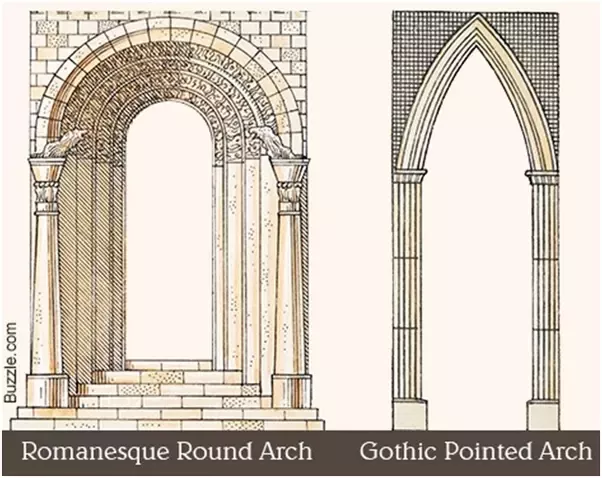
Unlike Roman and Romanesque architecture Gothic was dynamic perforated airy and light. Ruskin claims that Gothic buildings look that way because in their construction workers and architects were granted a larger freedom from past models and struggled to make them unique and. In classical architecture each capital should be or appear to be identical. The Stones of Venice is a three-volume treatise on Venetian art and architecture by English art historian John Ruskin first published from 1851 to 1853. If however the savageness of Gothic architecture merely as an expression of its origin among Northern nations may be considered in some sort a noble character it possesses a higher nobility still when considered as an index not of climate but of.
 Source: pinterest.com
Palazzo dei Badoari Partecipazzi found in the first volume of The Stones of Venice. One of the unexpected consequences of Ruskins analysis was a sudden influx of influence into contemporary British construction of the Gothic aesthetic of Venetian architecture. Moral elements in Gothic architecture in order of importance. GOTHIC STYLE Gothic architecture is the architecture of the late medieval period characterised by use of the pointed arch rib vault buttresses including flying buttresses. These characters are here.
 Source: pinterest.com
Moral elements in Gothic architecture in order of importance. Background and Summary. Argument for the Gothic Style Ruskins argument in The Stones of Venice was an important part of the Gothic Revival that was underway across Europe during the mid-19th century. John Ruskin was a leading Victorian critic of both art and society. The Stones of Venice examines Venetian architecture in detail describing for example over eighty churches.
 Source: nl.pinterest.com
Gothic architecture was characterised by accentuated vertical proportions ie. John Ruskin was a leading Victorian critic of both art and society. Ruskin wrote the work in order to apply to the architecture of Venice the general principles enunciated in his The Seven Lamps of Architecture. Savageness or Rudeness Love. Savageness Changefulness Naturalism Grotesqueness Rigidity and Redundance corre- sponding with six characteristics of Gothic builders.
 Source: pinterest.com
I believe then that the characteristic or of Gothic are the following placed in the order of their importance. This order is basically the same as the fifth order except with the addition of a finial above the point of the arch as seen in Ruskins 1851 drawing Decoration by Disks. In the 1850s his interests focused on architecture leading him to write The Stones of Venice. What is especially interesting in light of this particular influence is the manner in which Ruskin identifies how the three dominant schools of architecture in Venice relate to that concept of morality. Gothic architecture was characterised by accentuated vertical proportions ie.
 Source: pinterest.com
Ruskin was particularly interested in determining what type of society is able to produce masterpieces of architecture. Unlike Roman and Romanesque architecture Gothic was dynamic perforated airy and light. In the 1850s his interests focused on architecture leading him to write The Stones of Venice. What is especially interesting in light of this particular influence is the manner in which Ruskin identifies how the three dominant schools of architecture in Venice relate to that concept of morality. GOTHIC STYLE Gothic architecture is the architecture of the late medieval period characterised by use of the pointed arch rib vault buttresses including flying buttresses.
 Source: artblot.wordpress.com
John Ruskins attempt to deduce the life of the medieval labourer from Gothic savageness provides readers with a perfect example of what Proust calls the kind of illusion produced on them and on Ruskin himself by his writings. Ruskin makes the point that even though an expression originated in northern nations the savageness of gothic architecture has a noble character because it is based in a religious principle and this savageness of gothic architecture relates to the actual building and designing of the cathedrals. He shows that the virtue and piety that marked Venice at its flourishing found expression in Gothic. The Stones of Venice is a three-volume treatise on Venetian art and architecture by English art historian John Ruskin first published from 1851 to 1853. GOTHIC STYLE Gothic architecture is the architecture of the late medieval period characterised by use of the pointed arch rib vault buttresses including flying buttresses.
 Source: pinterest.com
John Ruskins attempt to deduce the life of the medieval labourer from Gothic savageness provides readers with a perfect example of what Proust calls the kind of illusion produced on them and on Ruskin himself by his writings. If however the savageness of Gothic architecture merely as an expression of its origin among Northern nations may be considered in some sort a noble character it possesses a higher nobility still when considered as an index not of climate but of. I believe then that the characteristic or of Gothic are the following placed in the order of their importance. This module will investigate approaches to Gothic architecture and its terrible wonder both in the medieval period and since. Gothic churches usually had three naves preceded by a porch and endowed with a.
 Source: quora.com
It was published in three volumes in 185153. GOTHIC STYLE Gothic architecture is the architecture of the late medieval period characterised by use of the pointed arch rib vault buttresses including flying buttresses. The Stones of Venice is a three-volume treatise on Venetian art and architecture by English art historian John Ruskin first published from 1851 to 1853. I believe then that the characteristic or of Gothic are the following placed in the order of their importance. The course will begin with a study of the medieval treatise of Abbot Suger notebook of Villard de Honnecourt and encomium of Jean de Jandun to examine the rhetoric employed to comprehend the new.
 Source: pinterest.com
If however the savageness of Gothic architecture merely as an expression of its origin among Northern nations may be considered in some sort a noble character it possesses a higher nobility still when considered as an index not of climate but of. It was published in three volumes in 185153. Savageness or Rudeness Love. Large windows which are often grouped or have tracery. He shows that the virtue and piety that marked Venice at its flourishing found expression in Gothic.
Source: nl.pinterest.com
Ruskin relates their growth and deterioration to the rise and fall of the Venetian state. Savageness or Rudeness Love. These characters are here. Moral elements in Gothic architecture in order of importance. It was published in three volumes in 185153.
This site is an open community for users to do submittion their favorite wallpapers on the internet, all images or pictures in this website are for personal wallpaper use only, it is stricly prohibited to use this wallpaper for commercial purposes, if you are the author and find this image is shared without your permission, please kindly raise a DMCA report to Us.
If you find this site convienient, please support us by sharing this posts to your own social media accounts like Facebook, Instagram and so on or you can also bookmark this blog page with the title the savageness of gothic architecture summary by using Ctrl + D for devices a laptop with a Windows operating system or Command + D for laptops with an Apple operating system. If you use a smartphone, you can also use the drawer menu of the browser you are using. Whether it’s a Windows, Mac, iOS or Android operating system, you will still be able to bookmark this website.


