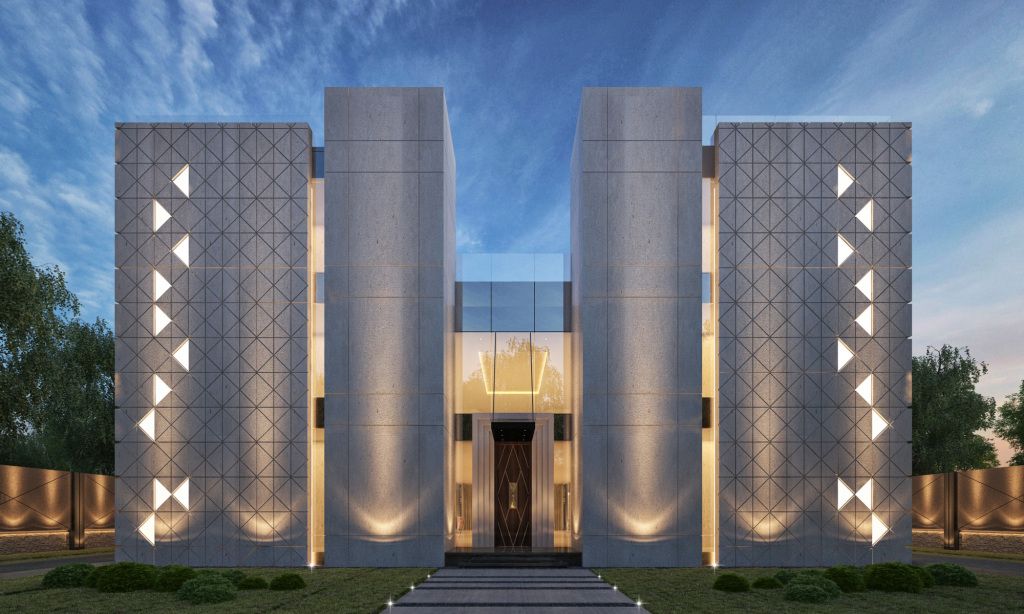
Your Traditional japanese architecture elements images are available. Traditional japanese architecture elements are a topic that is being searched for and liked by netizens now. You can Download the Traditional japanese architecture elements files here. Find and Download all royalty-free images.
If you’re looking for traditional japanese architecture elements images information connected with to the traditional japanese architecture elements keyword, you have pay a visit to the ideal blog. Our site frequently provides you with suggestions for viewing the maximum quality video and image content, please kindly hunt and find more enlightening video content and graphics that match your interests.
Traditional Japanese Architecture Elements.
 Five 5 Element Pagodas Stupas Steles Gravestones Three Element Gravestones Japan Architecture Japanese Architecture Traditional Japanese Architecture From pinterest.com
It was cheaper than stone and originated in Japan.
The use of wood dates back all the way to the 7th century. As like traditional Japanese houses have a Sliding doors fusuma. The beauty of the building is most. Traditional Japanese Architecture Style have many design elements. ARCHITECTURAL CHARACTER The architecture of Japan was derived from China but maintained its own special characteristics of lightness as delicacy. The Japanese House.
 Source: pinterest.com
The Basic Elements of Traditional Japanese Residential Architecture. Architectural styles in Japan have evolved over the centuries heavily influenced by geography climate the raw materials available and even the course of natural disasters. It was often left. The oldest wooden architecture in Japan is Horyuji temple which is built in the. Traditional Japanese Architecture Style have many design elements.
 Source: pinterest.com
Built in the domestic architecture style known as shoin-zukuri which incorporated new featuresincluding translucent and opaque paper-covered sliding panels shoji and fusuma respectively and rush-covered straw mats. The oldest wooden architecture in Japan is Horyuji temple which is built in the. The Japanese House. In Traditional Japanese Architecture author Mira Locher explores how each. The Basic Elements of Traditional Japanese Residential Architecture.
 Source: pinterest.com
One of the most traditional materials seen in Japanese architecture is wood. Wood is the most preferred material for Japanese traditional buildings due to the constant earthquake. Traditional Japanese Architecture Style have many design elements. Built in the domestic architecture style known as shoin-zukuri which incorporated new featuresincluding translucent and opaque paper-covered sliding panels shoji and fusuma respectively and rush-covered straw mats. Simplicity sensitivity to the natural environment and the use of natural materials are the hallmarks of Japanese architecture.
 Source: pinterest.com
ARCHITECTURAL CHARACTER The architecture of Japan was derived from China but maintained its own special characteristics of lightness as delicacy. Traditional Japanese Architecture Style have many design elements. Wood is the most preferred material for Japanese traditional buildings due to the constant earthquake. It was cheaper than stone and originated in Japan. The most expressive element of Japanese architecture is the roof which tends to hang over the building like a shaggy wig and stress its smallness and horizontal plane.
Source: pinterest.com
The use of wood dates back all the way to the 7th century. Refinement in Japanese. Intricate carved wood transoms and precisely woven tatami matseach element of traditional Japanese architecture tells a story. The oldest wooden architecture in Japan is Horyuji temple which is built in the. Which is developed by cultural and geographical values.
 Source: pinterest.com
Refinement in Japanese. Built in the domestic architecture style known as shoin-zukuri which incorporated new featuresincluding translucent and opaque paper-covered sliding panels shoji and fusuma respectively and rush-covered straw mats. It was cheaper than stone and originated in Japan. The use of wood dates back all the way to the 7th century. Simplicity sensitivity to the natural environment and the use of natural materials are the hallmarks of Japanese architecture.
 Source: pinterest.com
The beauty of the building is most. Wood is the most preferred material for Japanese traditional buildings due to the constant earthquake. An Irori is a traditional Japanese sunken hearth that is used both to cook food and heat a room. It was cheaper than stone and originated in Japan. Traditional Japanese Architecture Style have many design elements.
 Source: pinterest.com
Wood is the most preferred material for Japanese traditional buildings due to the constant earthquake. Although most urban Japanese cant afford single-family homes their apartments often contain traditional features such as soaking tubs and step-up entryways. ARCHITECTURAL CHARACTER The architecture of Japan was derived from China but maintained its own special characteristics of lightness as delicacy. The oldest wooden architecture in Japan is Horyuji temple which is built in the. It was often left.
 Source: pinterest.com
Which is developed by cultural and geographical values. They consist of a stone lined square pit built into the center of a floor. Minka are traditional Japanese residences constructed in a range of styles to suit their various. One of the most traditional materials seen in Japanese architecture is wood. As like traditional Japanese houses have a Sliding doors fusuma.
 Source: pinterest.com
Although most urban Japanese cant afford single-family homes their apartments often contain traditional features such as soaking tubs and step-up entryways.
 Source: pinterest.com
Minka are traditional Japanese residences constructed in a range of styles to suit their various. The oldest wooden architecture in Japan is Horyuji temple which is built in the. Traditional Japanese Architecture Style have many design elements. Minka are traditional Japanese residences constructed in a range of styles to suit their various. The most expressive element of Japanese architecture is the roof which tends to hang over the building like a shaggy wig and stress its smallness and horizontal plane.
 Source: pinterest.com
In Traditional Japanese Architecture author Mira Locher explores how each. Although most urban Japanese cant afford single-family homes their apartments often contain traditional features such as soaking tubs and step-up entryways. The oldest wooden architecture in Japan is Horyuji temple which is built in the. ARCHITECTURAL CHARACTER The architecture of Japan was derived from China but maintained its own special characteristics of lightness as delicacy. Traditional Japanese Architecture Style have many design elements.
 Source: pinterest.com
From roofs walls and floors to door pulls and kettle hangers Traditional Japanese Architecture situates these elements firmly within the natural environment and traditional culture of Japan. An Irori is a traditional Japanese sunken hearth that is used both to cook food and heat a room. Architectural styles in Japan have evolved over the centuries heavily influenced by geography climate the raw materials available and even the course of natural disasters. They consist of a stone lined square pit built into the center of a floor. From roofs walls and floors to door pulls and kettle hangers Traditional Japanese Architecture situates these elements firmly within the natural environment and traditional culture of Japan.
 Source: pinterest.com
Minka are traditional Japanese residences constructed in a range of styles to suit their various. Wood is the most preferred material for Japanese traditional buildings due to the constant earthquake. The beauty of the building is most. From roofs walls and floors to door pulls and kettle hangers Traditional Japanese Architecture situates these elements firmly within the natural environment and traditional culture of Japan. Refinement in Japanese.
 Source: pinterest.com
An Irori is a traditional Japanese sunken hearth that is used both to cook food and heat a room.
 Source: pinterest.com
Although most urban Japanese cant afford single-family homes their apartments often contain traditional features such as soaking tubs and step-up entryways.
 Source: pinterest.com
The beauty of the building is most. The most expressive element of Japanese architecture is the roof which tends to hang over the building like a shaggy wig and stress its smallness and horizontal plane. Simplicity sensitivity to the natural environment and the use of natural materials are the hallmarks of Japanese architecture. Wood is the most preferred material for Japanese traditional buildings due to the constant earthquake. Which is developed by cultural and geographical values.
 Source: pinterest.com
The Basic Elements of Traditional Japanese Residential Architecture. Intricate carved wood transoms and precisely woven tatami matseach element of traditional Japanese architecture tells a story. The Art of Japanese Architectureprovides a broad overview of traditional. From roofs walls and floors to door pulls and kettle hangers Traditional Japanese Architecture situates these elements firmly within the natural environment and traditional culture of Japan. The beauty of the building is most.
This site is an open community for users to submit their favorite wallpapers on the internet, all images or pictures in this website are for personal wallpaper use only, it is stricly prohibited to use this wallpaper for commercial purposes, if you are the author and find this image is shared without your permission, please kindly raise a DMCA report to Us.
If you find this site convienient, please support us by sharing this posts to your favorite social media accounts like Facebook, Instagram and so on or you can also save this blog page with the title traditional japanese architecture elements by using Ctrl + D for devices a laptop with a Windows operating system or Command + D for laptops with an Apple operating system. If you use a smartphone, you can also use the drawer menu of the browser you are using. Whether it’s a Windows, Mac, iOS or Android operating system, you will still be able to bookmark this website.